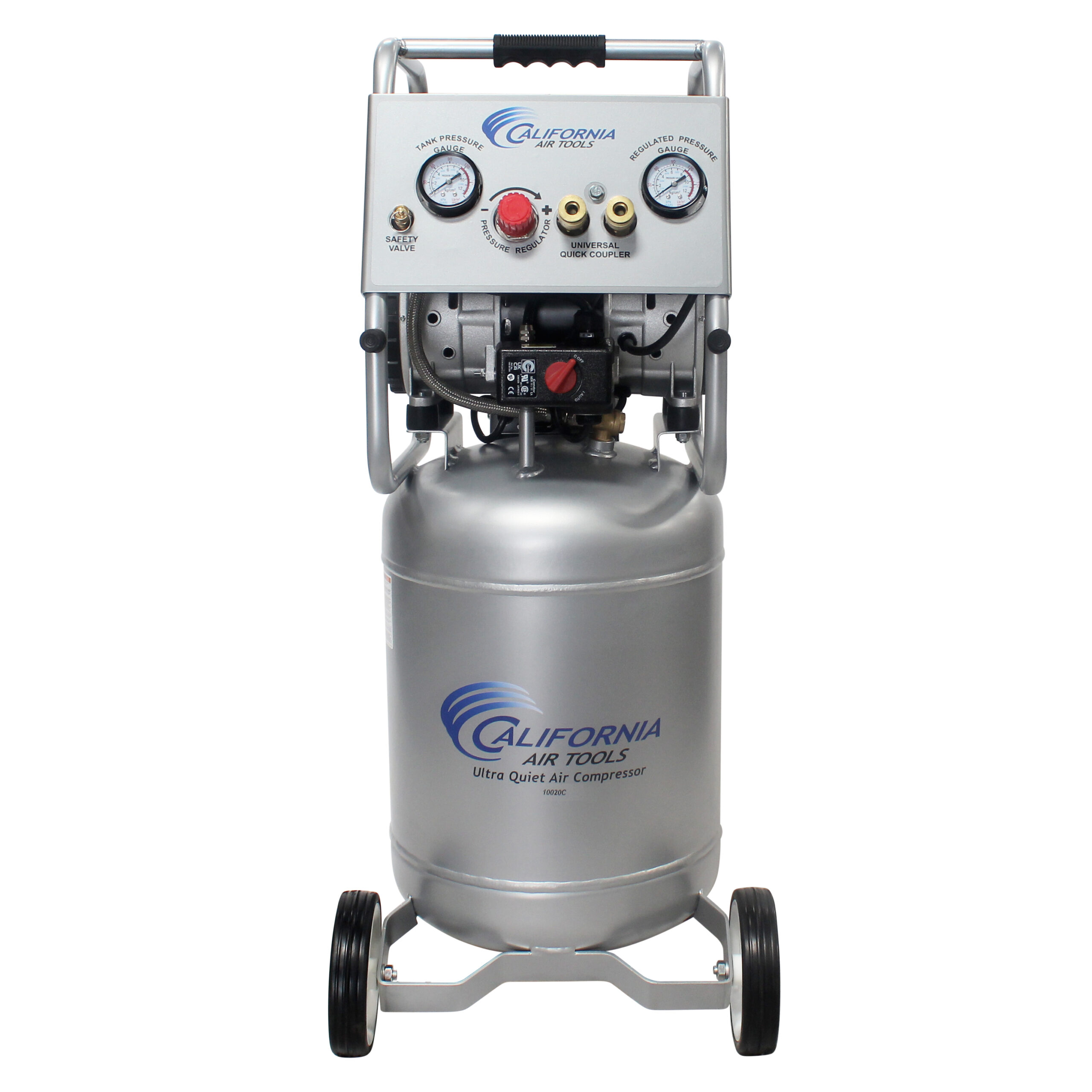
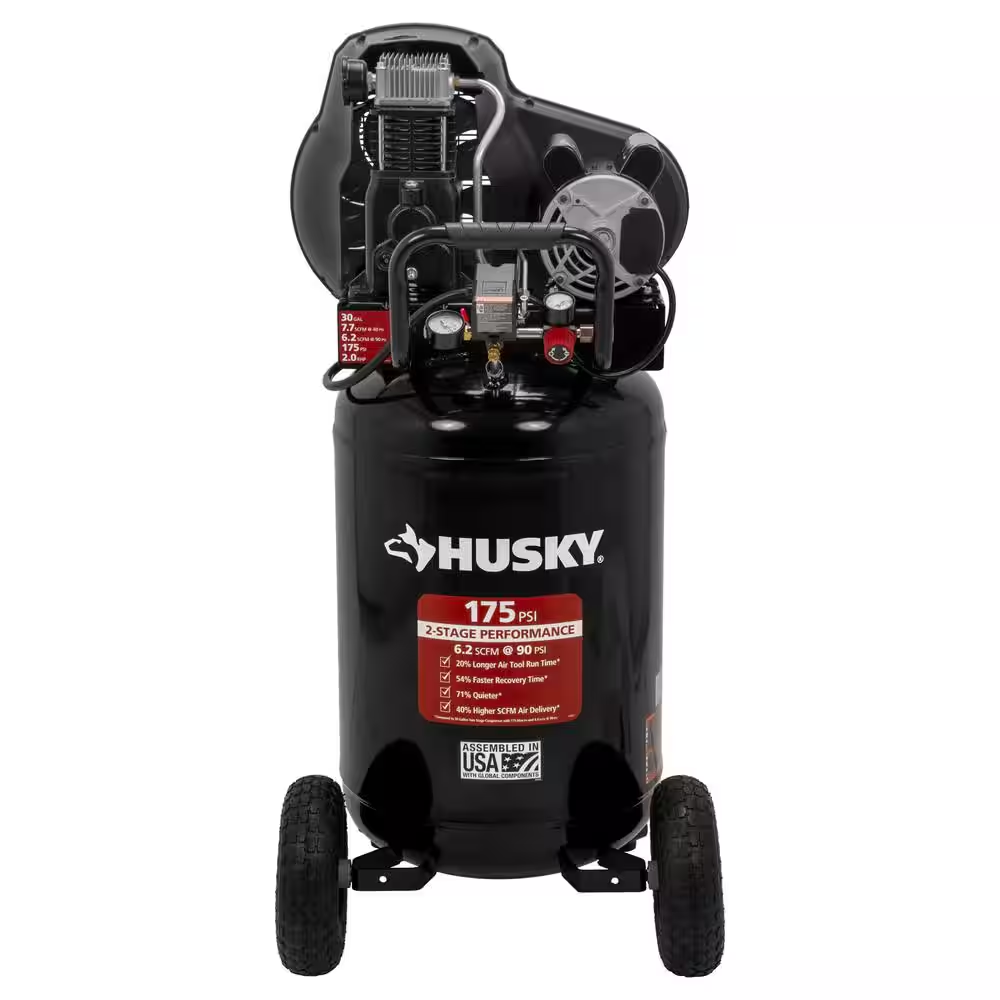
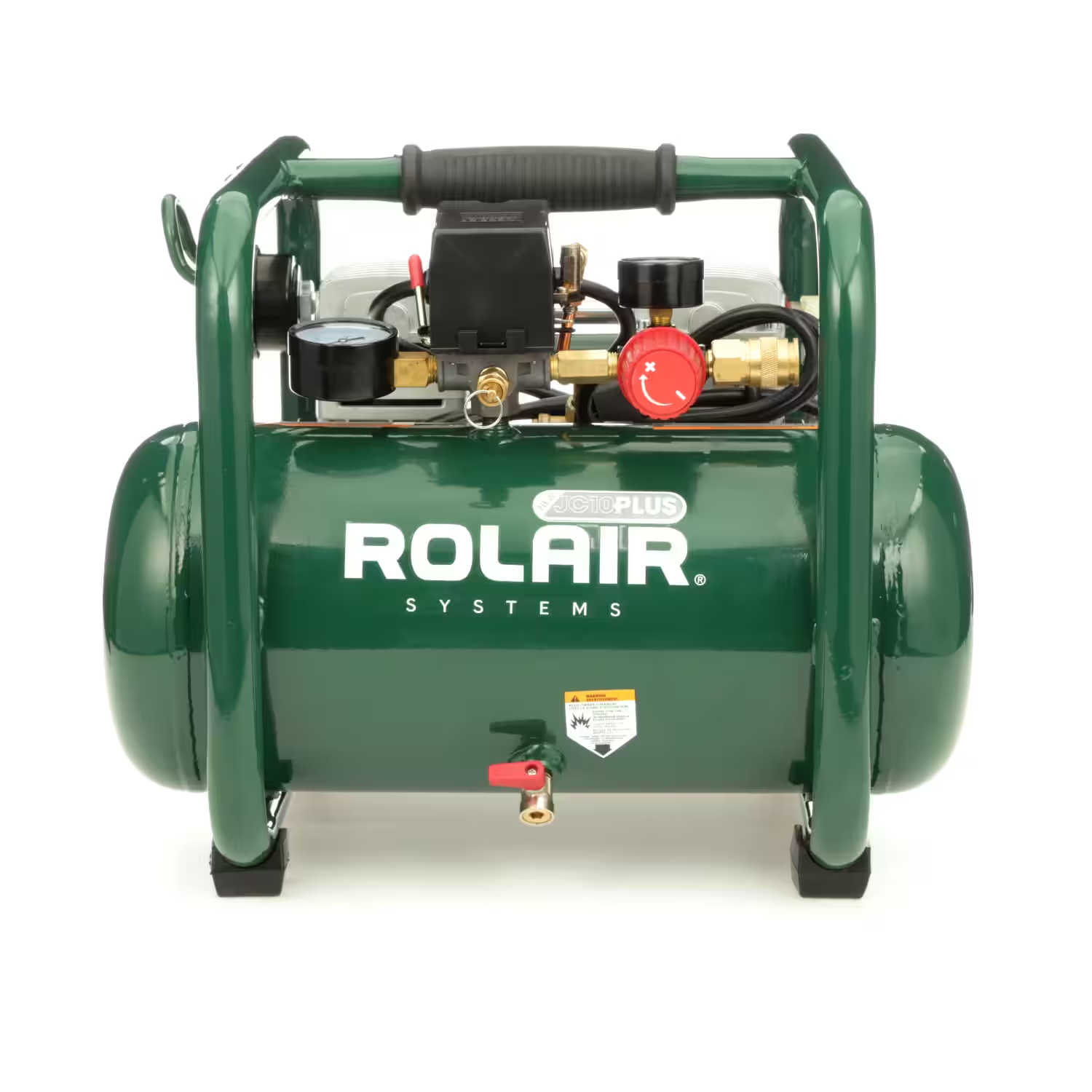
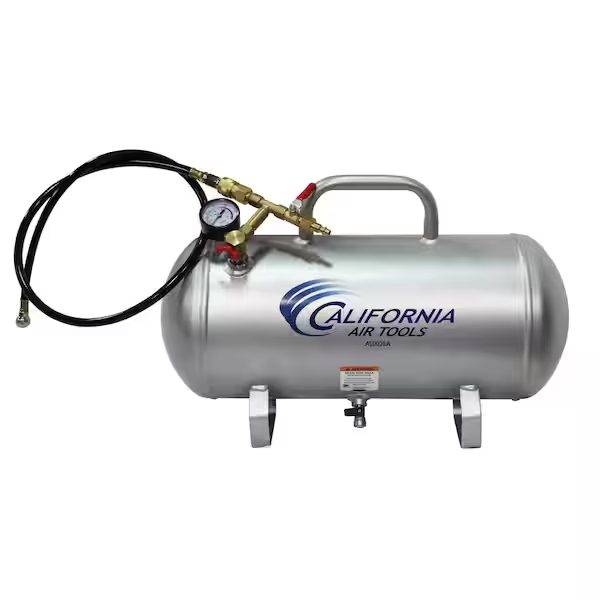
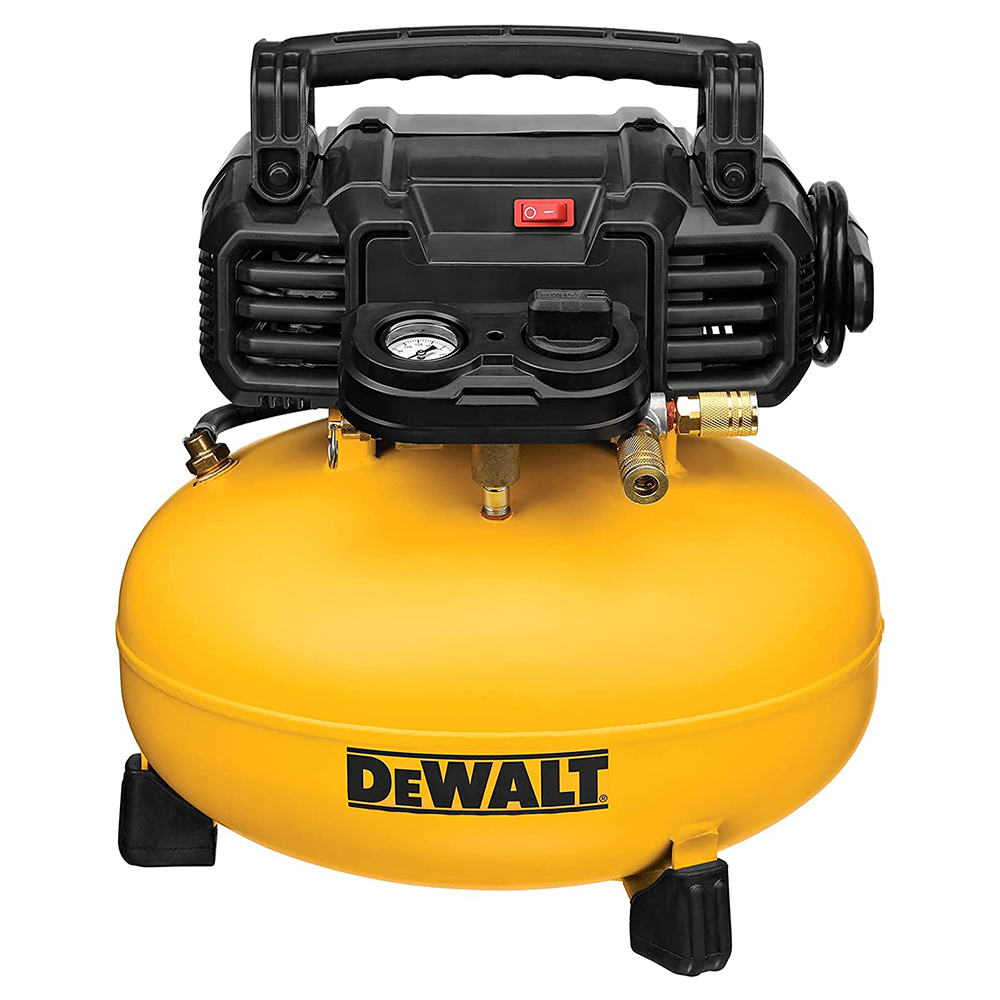
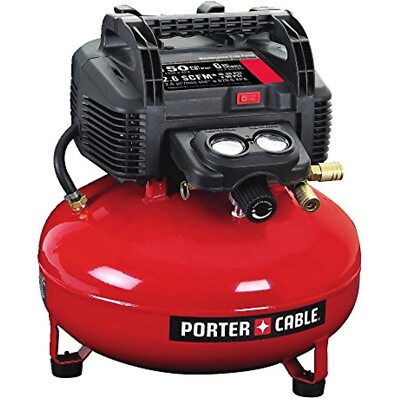
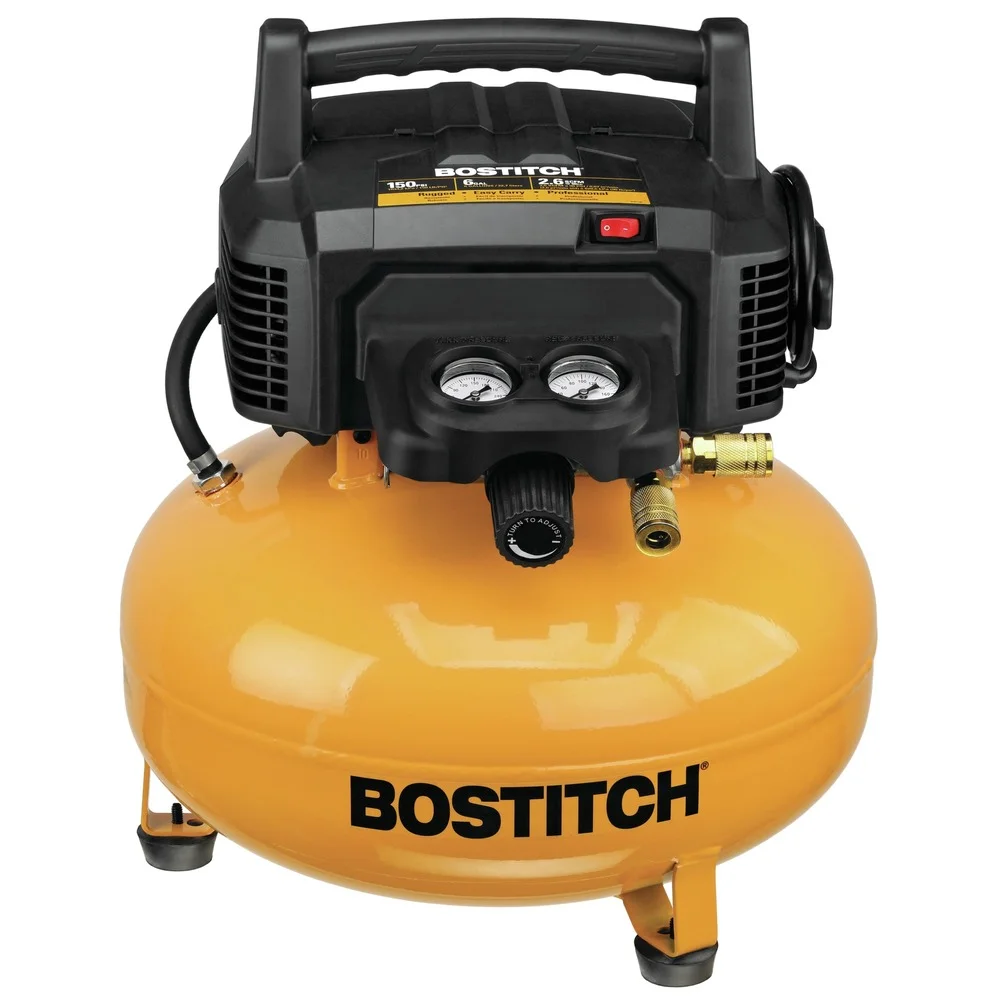
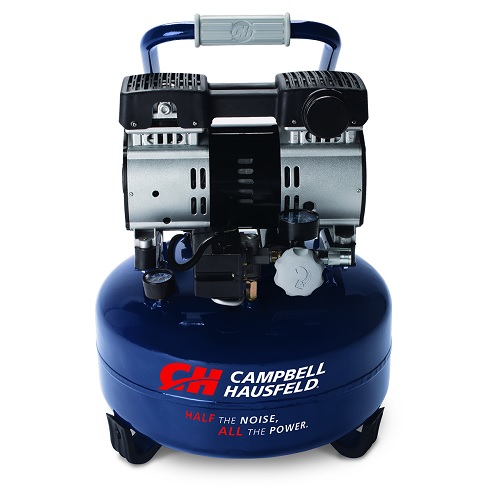
This guide to air compressors is for DIYers, hobbyists, and small-shop owners who need a reliable way to power nail guns, spray guns, impact wrenches, and pneumatic tools. If you are choosing your first compressor or upgrading from a portable unit, this overview will help you match a compressor to the tools and workloads you run.
What matters most is the combination of pressure (PSI), airflow (CFM) at the pressure you will use, and the compressor s duty cycle. Tank size, portability, noise, and whether the pump is oil-free or oil-lubricated also affect performance and maintenance. You should pick a compressor that meets the highest continuous demand among the tools you plan to use, not just the peak demand.
Use the forthcoming product list to compare models by their rated CFM at a given PSI, tank capacity, duty cycle, and intended use case. For portable projects or intermittent nail gun work, a small pancake or hotdog compressor can be fine. For continuous tasks such as spray painting or running multiple air tools, prioritize higher CFM and a suitable tank or a stationary unit.
Read the buying guide sections below to learn which features are most important, common mistakes to avoid, and basic maintenance steps that keep a compressor reliable. Verify model-specific specs and safety information from the manufacturer before purchase or use.
How to choose
- Match CFM at the working PSI: Add the required CFM of all tools you will run simultaneously and choose a compressor that provides that CFM at the tool s operating PSI.
- Consider duty cycle: For frequent or continuous use pick a compressor with a higher duty cycle or a permanently installed model rated for continuous operation.
- Choose tank size for application: Larger tanks smooth pressure drops during intermittent high-demand bursts like nailing and spraying.
- Decide on portability: Select a pancake or hotdog style for mobility; a twin-stack or stationary tank for workshop use.
- Oil-free vs oil-lubed: Oil-free pumps require less routine service and are better for infrequent use; oil-lubed pumps are typically more durable for heavy use if maintained.
- Factor noise and space: Check decibel ratings and footprint if you will run the compressor in a garage or shared space.
- Verify connectors and accessories: Confirm the compressor has the required fittings, regulator, and filtration for your tools.
Key features that matter
- CFM rating at a specific PSI: The most important spec for tool compatibility; compare numbers at the same PSI.
- Maximum PSI: Needed for some tools and for pressure reserve; ensure it meets your tool s requirement.
- Tank capacity: Determines how long you can run tools between pump cycles; larger tanks help with continuous bursts.
- Duty cycle: Expressed as a percentage, it tells you how long the compressor can run in a given time period.
- Pump type and lubrication: Oil-free for low maintenance, oil-lubed for longevity under heavy use.
- Noise level: Measured in decibels; important for home and indoor use.
- Filtration and regulator: Built-in air filters, moisture traps, and accurate regulators protect tools and improve finish quality for painting.
Common mistakes
- Undersizing by CFM: Buying for peak CFM needs instead of sustained CFM leads to poor tool performance.
- Ignoring duty cycle: Expecting a small portable compressor to handle continuous workloads causes overheating and premature wear.
- Choosing tank size only: A large tank does not compensate for a low CFM pump when running high-flow tools.
- Overlooking maintenance needs: Skipping oil changes or tank draining shortens equipment life.
- Assuming horsepower equals airflow: Horsepower alone does not tell you the usable CFM at tool pressure.
- Neglecting accessories: Cheap hoses, improper fittings, or missing filters can reduce performance and damage tools.
Maintenance and longevity
- Drain the tank regularly: Remove accumulated water after each use to prevent rust and internal corrosion.
- Change oil and filters as recommended: For oil-lubed models, follow the manufacturer schedule for oil changes and replace air filters and separators.
- Inspect safety valve and fittings: Test the safety relief valve periodically and check hoses and connections for leaks or wear.
- Keep the pump clean and ventilated: Ensure cooling fins and vents are free of dust to avoid overheating.
How we ranked
Our ranking method emphasizes real-world compatibility and reliability. The primary factors are the compressor s rated CFM at the PSI you will use, the duty cycle for your expected workload, and build quality including pump type and materials. We prioritize models that deliver stable pressure for common tools and that include useful features such as effective filtration and clear regulators.
Performance data is weighed alongside practical considerations: portability, noise, maintenance needs, and serviceability. Where available we factor manufacturer specifications, independent test data, and aggregated user feedback to assess durability and value. Because performance can vary by setup and conditions, verify specifications for the exact model before final selection.
FAQ
List every tool you plan to run at the same time and use the tool s CFM requirement at operating PSI. Sum those CFM numbers and choose a compressor that provides at least that many CFM at the same PSI under continuous use.
A bigger tank gives longer run time between pump cycles and steadier pressure for bursty tools, but it does not increase the compressor s continuous CFM. Match tank size to the type of work and space constraints.
Choose oil-free for low maintenance and occasional use. Choose oil-lubed for heavier, continuous use where durability matters, provided you commit to routine oil changes and service.
Drain the tank after each day of use or more often in humid conditions. Emptying accumulated water prevents internal rust and extends tank life.
Small portable compressors often lack the continuous CFM and duty cycle needed for consistent spray painting. For painting, prefer compressors rated to deliver stable CFM at the spray gun s operating pressure.
Duty cycle is the percentage of time a compressor can run in a given period (often 10 minutes) without overheating. Higher duty cycles are needed for frequent or continuous work to avoid damage.
Noise varies widely; check decibel ratings. Reduce noise by choosing quieter models, placing the compressor on rubber feet or a noise-absorbing pad, or locating it in a separate space if possible.
Yes. Inspect hoses and fittings for damage, verify the safety relief valve moves freely, ensure the tank is drained, and confirm electrical connections match the compressor s requirements.