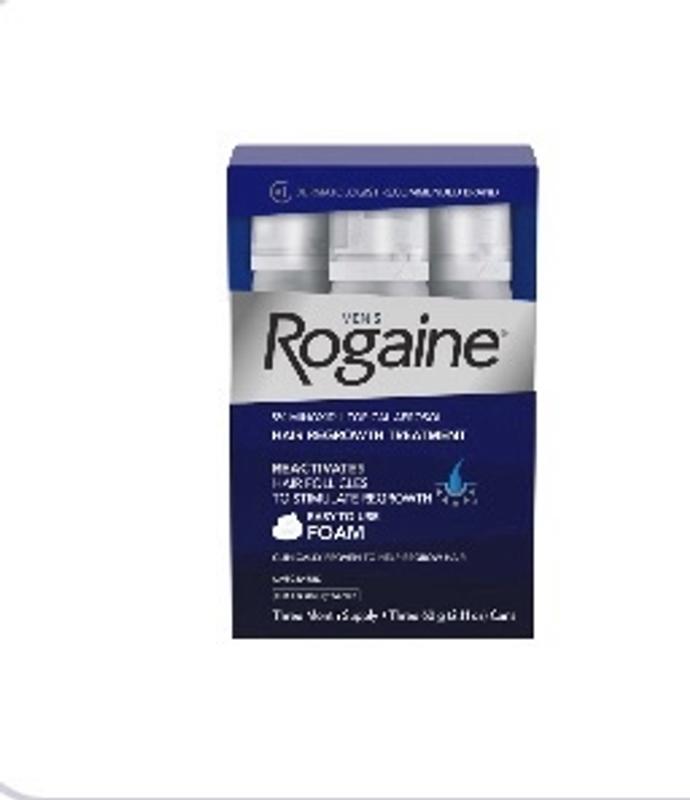
Rogaine 5% Minoxidil Foam
Clinically proven topical minoxidil foam to regrow hair and slow male-pattern hair loss.
- 5% minoxidil topical foam formulation
- Clinically shown to regrow hair and increase density
- Easy-apply foam absorbed quickly

Disclosure: This page contains affiliate links. If you buy through them, we may earn a commission at no extra cost to you. As an Amazon Associate we earn from qualifying purchases.
Clinically proven topical minoxidil foam to regrow hair and slow male-pattern hair loss.
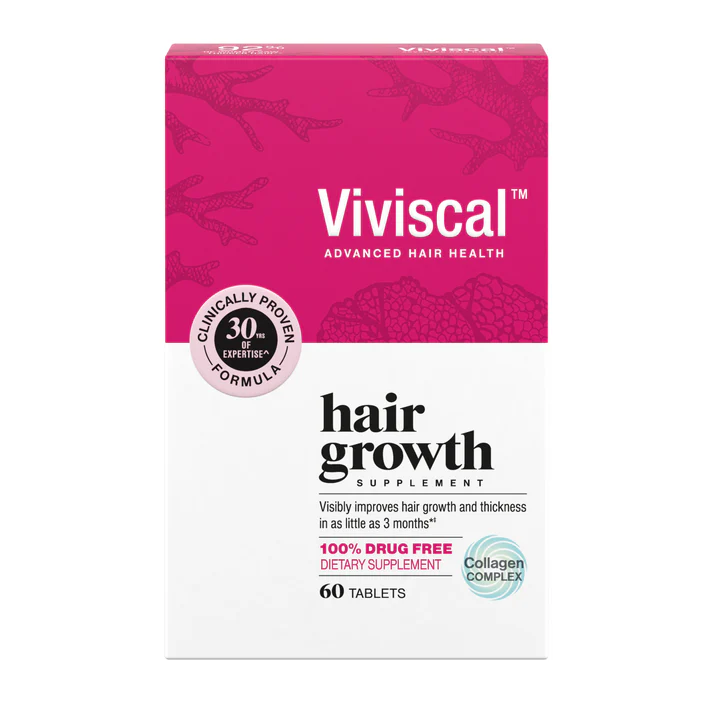
Doctor-formulated botanical supplement that addresses multiple root causes of hair thinning including stress, hormones, and nutrition.
Oral supplement with the marine-derived AminoMar complex to nourish thinning hair and promote existing growth.
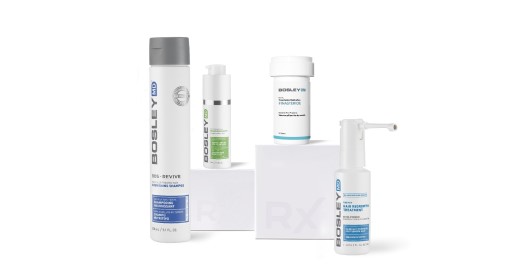
Women-focused regimen combining cleansing, volumizing, and minoxidil-based treatments to address female thinning hair.
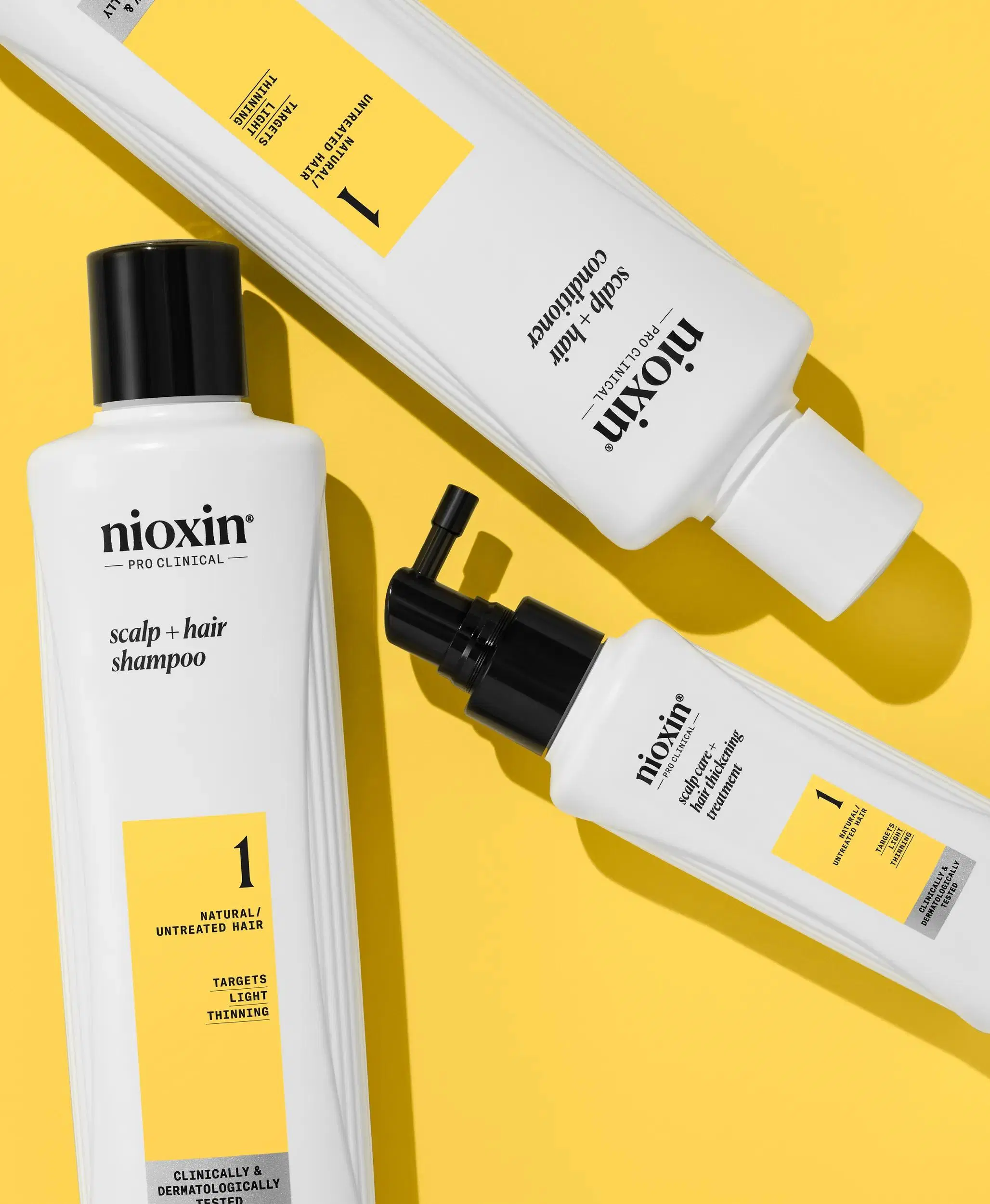
Three-step salon system (cleanser, scalp therapy, treatment) designed to reduce breakage and improve appearance of thinning hair.
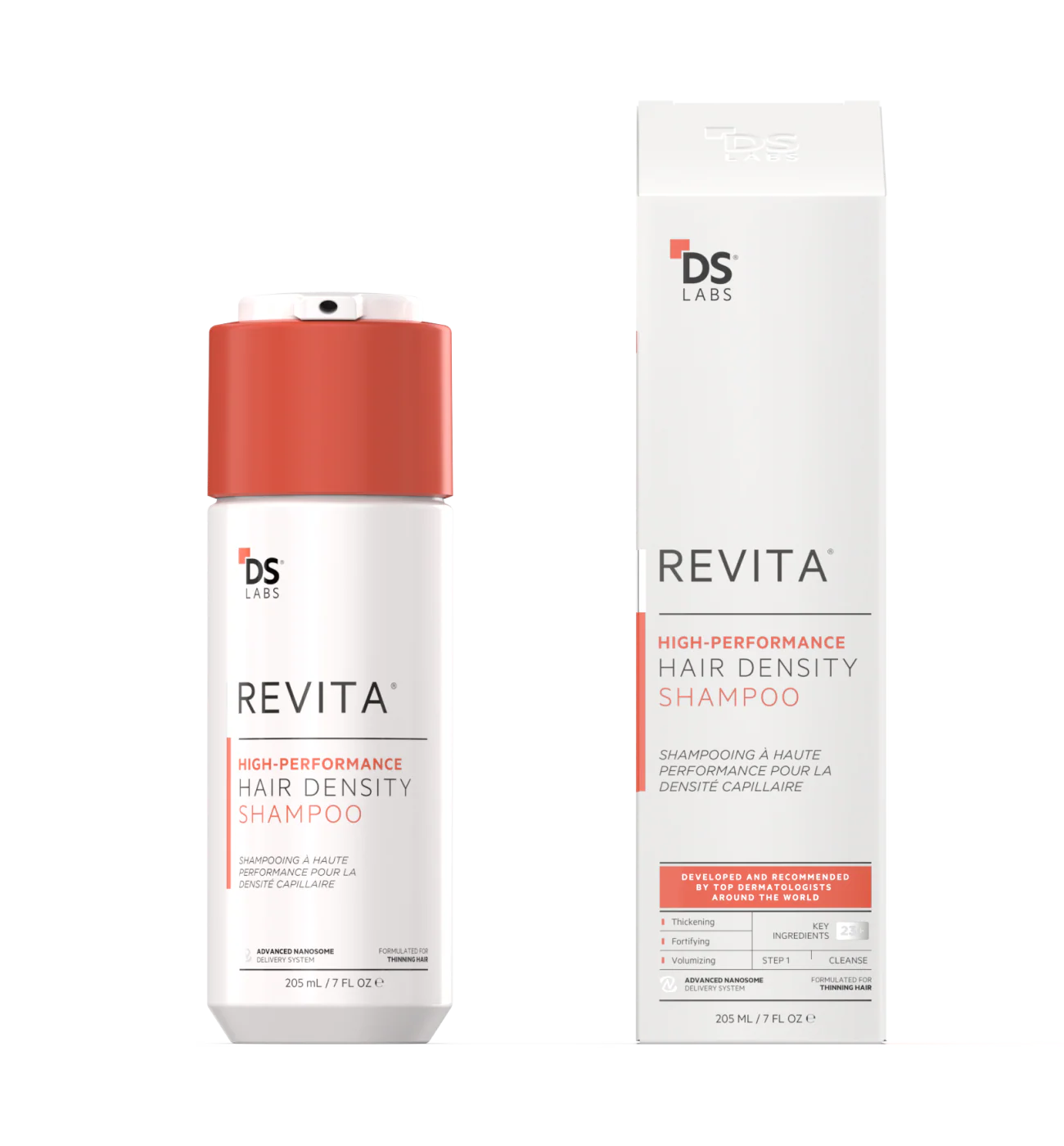
Caffeine- and ketoconazole-infused shampoo aimed at strengthening hair and improving scalp environment.
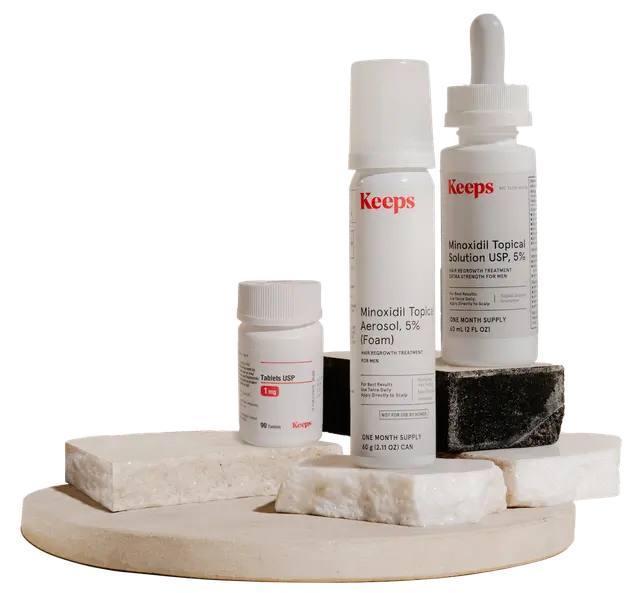
Subscription-based hair loss service offering topical minoxidil and prescription finasteride to treat male pattern baldness.
Direct-to-consumer hair loss platform offering telemedicine prescriptions for finasteride and topical minoxidil formulations.
Clinic-based hair restoration offering surgical transplants, PRP, and personalized non-surgical regrowth plans from a long-established provider.
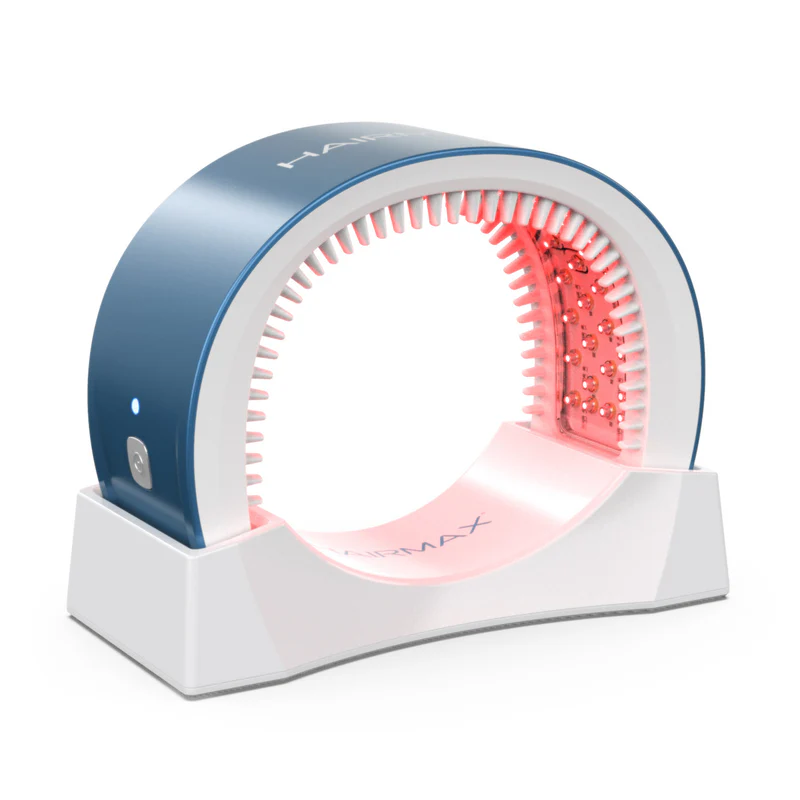
FDA-cleared at-home low-level laser therapy device to stimulate follicles and increase hair density with regular use.
This guide is for people who are noticing thinning hair, receding hairlines, widening part lines, or general hair loss and want a practical way to compare treatment options. It covers common medical and over-the-counter approaches, in-clinic procedures, and at-home devices so you can match options to the degree and cause of hair loss.
What matters when choosing a treatment is the underlying cause, the evidence for the approach, safety and side effects, how easy it is to use consistently, and how long you are willing to continue therapy. Some options slow progression, some regrow hair for some users, and others are surgical or procedural with different risks and commitments.
Use the list that follows to narrow options based on severity, evidence, and personal constraints. For most people it is wise to consult a dermatologist or hair specialist before starting prescription treatments or surgical procedures. If you are pregnant, nursing, or have relevant medical conditions, talk with your clinician first.
We prioritized treatments with consistent clinical evidence, clear safety information, and real-world usability. Efficacy data from controlled trials and consensus statements from dermatology organizations received substantial weight.
Safety and contraindications were assessed alongside user adherence factors such as ease of application and the need for ongoing maintenance. For procedures, we considered practitioner training, reported complication rates, and aftercare requirements.
Finally, we considered patient-reported outcomes and long-term maintenance needs to balance short-term efficacy with real-world sustainability. Any recommendation should be personalized with a clinician familiar with your medical history.
This page was drafted by AI and should be verified with a healthcare professional or trusted source before making treatment decisions.
Disclosure: This page contains affiliate links. If you buy through them, we may earn a commission at no extra cost to you. As an Amazon Associate we earn from qualifying purchases.