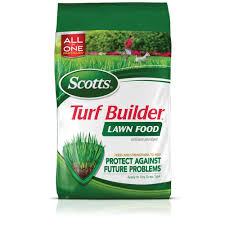
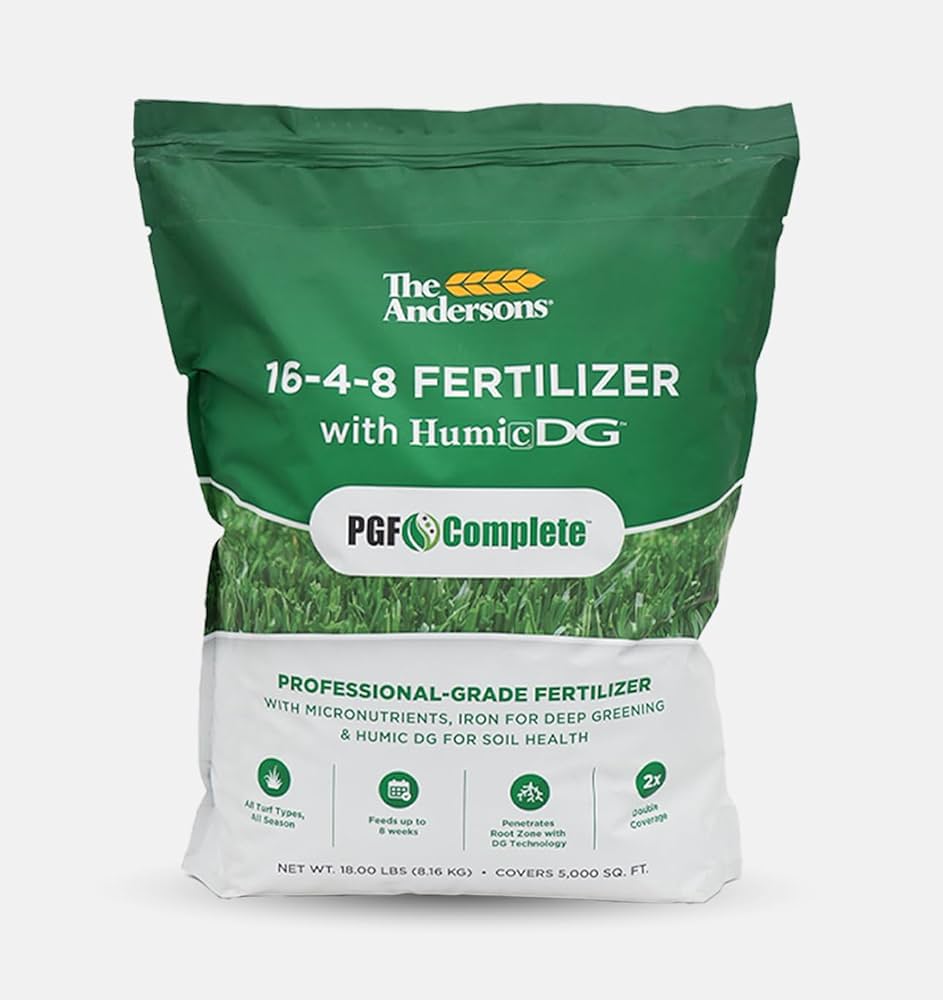
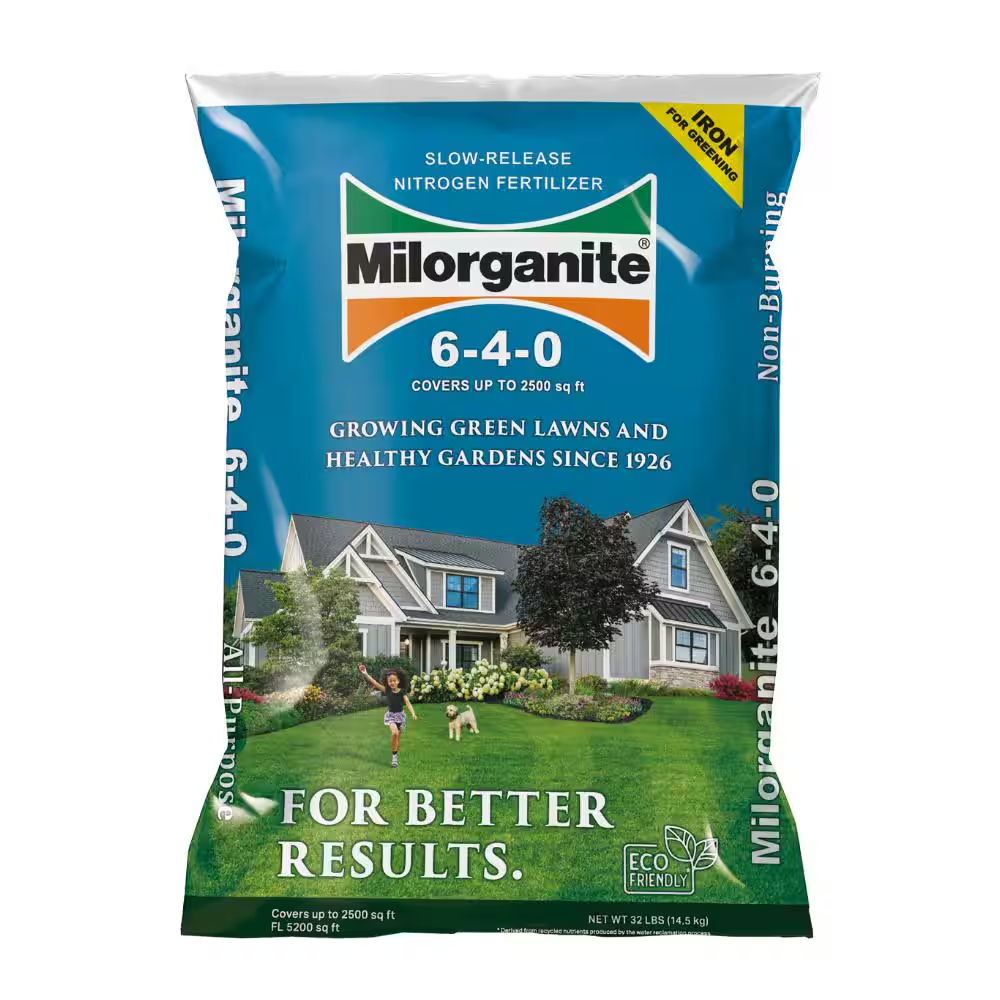
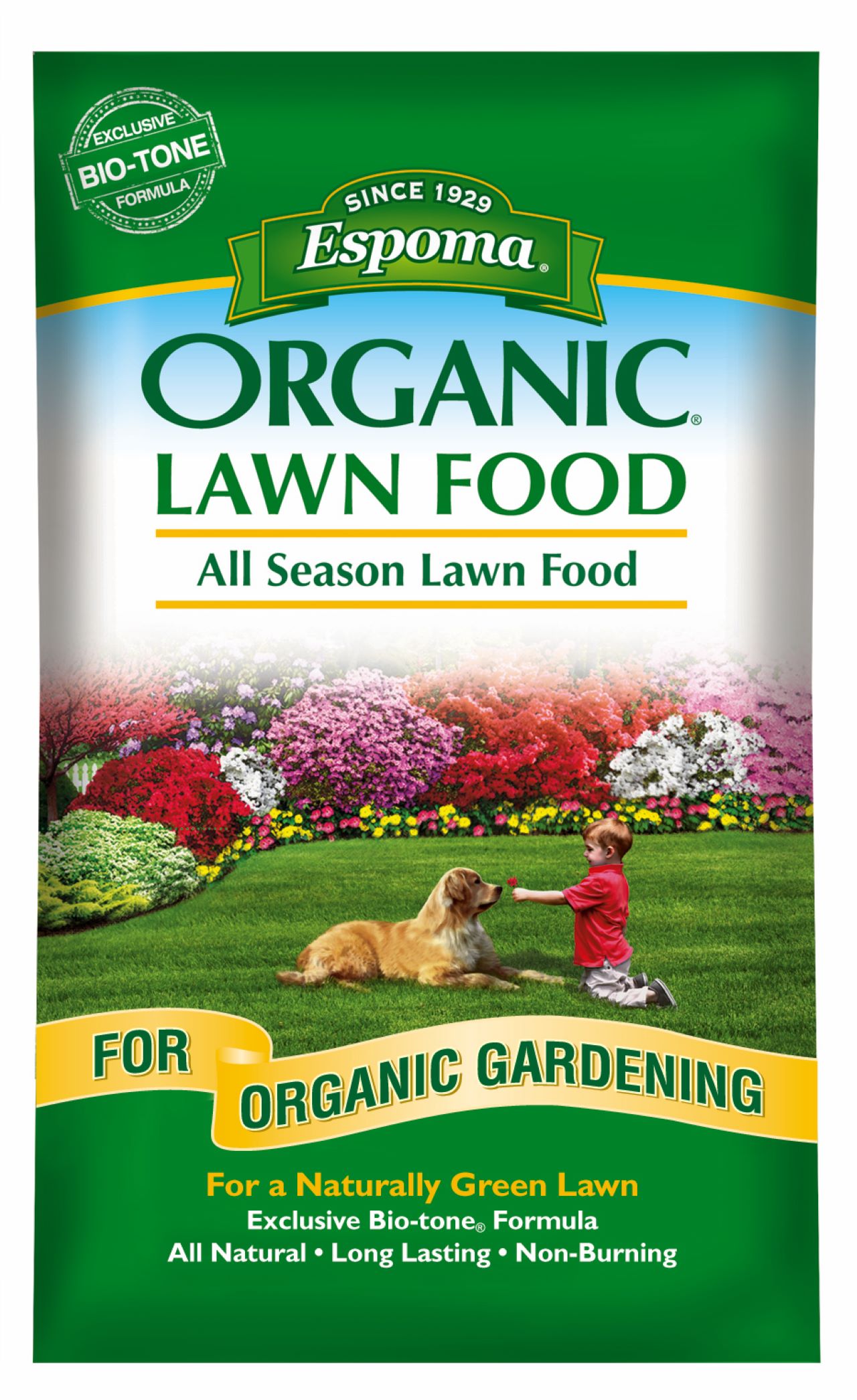
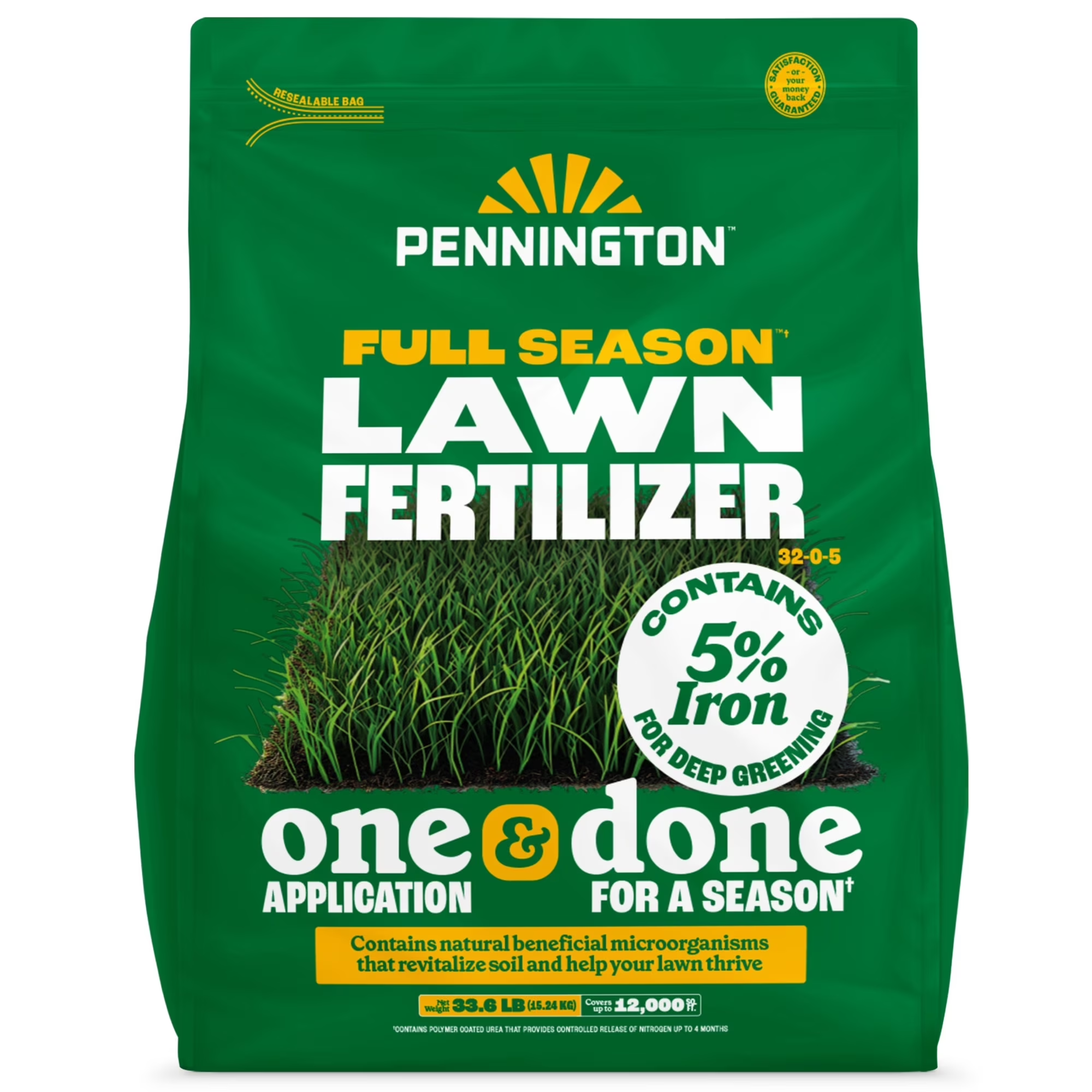
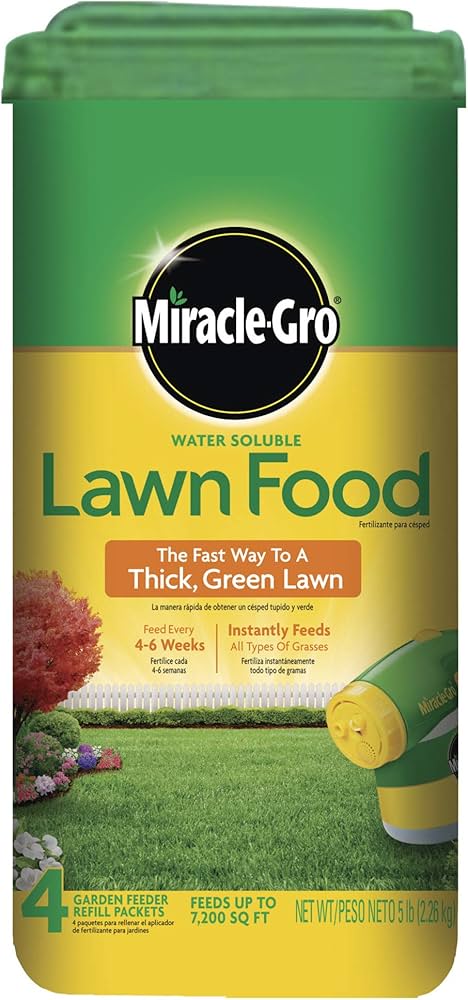
This guide is for homeowners, renters with yard responsibility, and small-scale lawn care enthusiasts who want a healthier, greener lawn without guessing which product to buy. Whether you are establishing a new lawn, overseeding, or maintaining mature turf, the right fertilizer depends on your grass type, soil condition, and the results you want—fast green-up, steady growth, or improved soil health.
What matters most when choosing a lawn fertilizer is the nutrient balance (N-P-K), how quickly those nutrients become available, and any added ingredients such as iron or beneficial microbes. Timing and application method also affect outcomes: some products give rapid color but short duration, while others release slowly for steady feeding and lower burn risk.
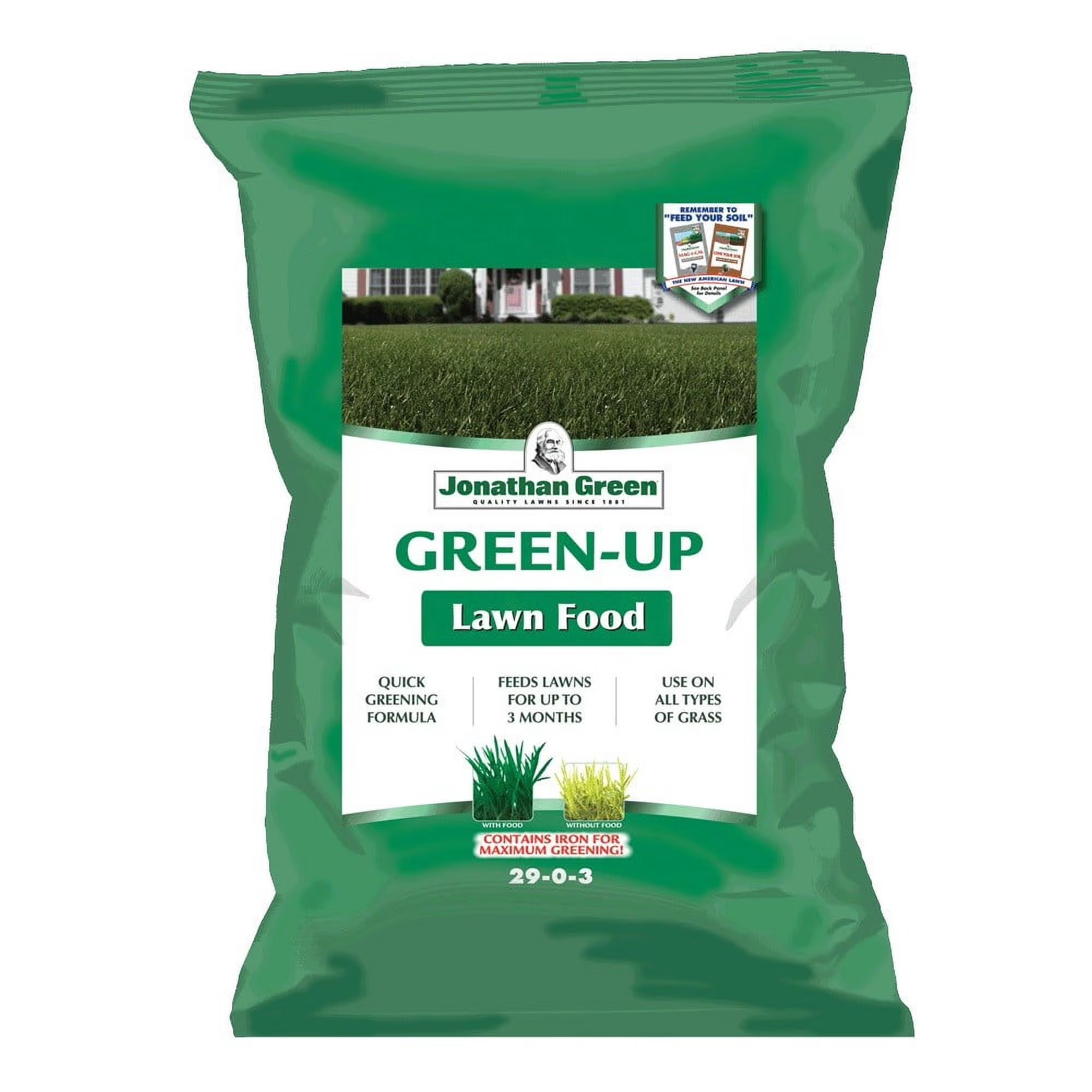
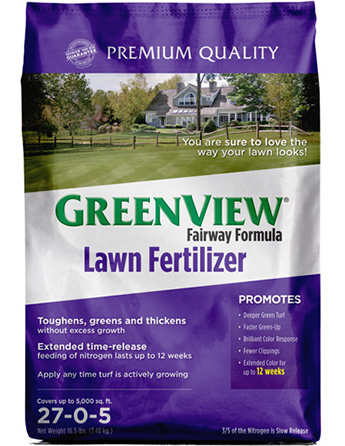
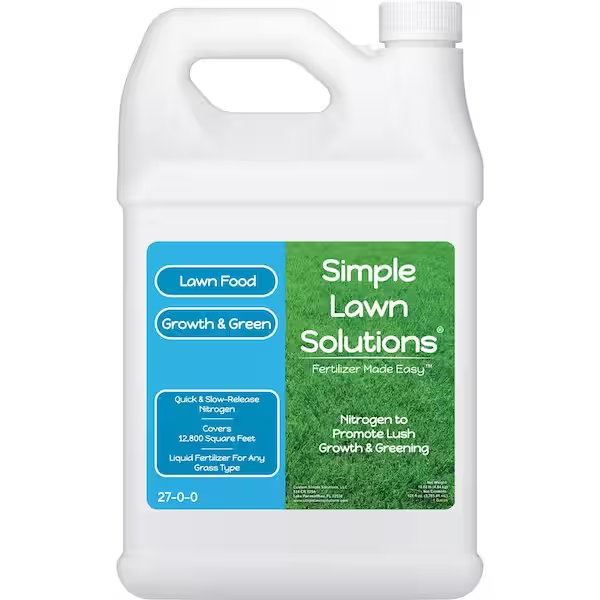
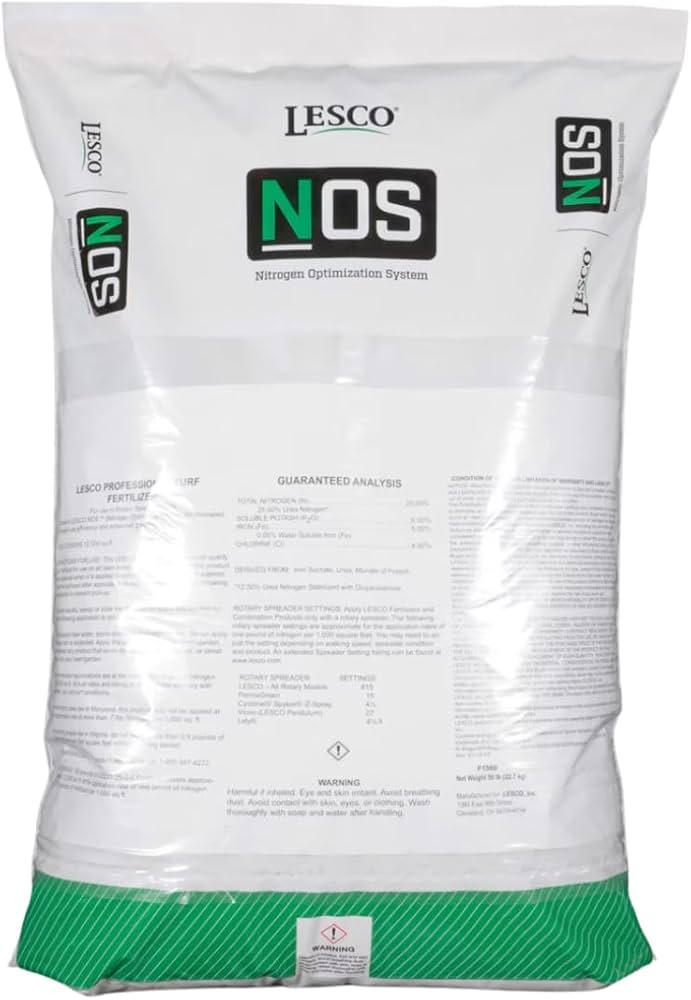
Use the ranked list to find products that fit common needs: quick greening, organic feeding, professional-grade long feeding, or starter mixes for new lawns. Start by identifying your lawn goals, checking your soil or recent fertilizer history, and matching those needs to a formulation type—granular, soluble, or organic—then follow the label for rate and timing.
Always verify label instructions for proper application rate, watering guidance, and any restrictions for your region or grass species. If you have concerns about pets, children, local runoff rules, or active disease issues, consult a soil test or local extension service before applying fertilizer.
How to choose
- Know your grass type—cool-season and warm-season grasses have different peak fertilizer times and nutrient needs.
- Do a soil test to identify nutrient deficiencies and pH issues before choosing a product.
- Pick an N-P-K ratio that matches your goal—higher nitrogen for greening and growth, higher phosphorus for root establishment (new lawns), balanced mixes for maintenance.
- Choose release type—fast-release (water-soluble) for quick green-up, slow-release or polymer-coated for longer, even feeding and less burn risk.
- Consider formulation and application—granular for spreaders, water-soluble for spray or hose-end, organic products for soil health and lower burn potential.
- Check label for timing and restrictions—some products are not recommended during heat or drought and some have regional runoff limits.
- Factor in safety and environment—look for low-burn formulas, pet-safe notes, or OMRI listing if you prefer organic inputs.
Key features that matter
- Nutrient profile (N-P-K)—primary driver of what the product will deliver to your lawn.
- Release mechanism—slow-release reduces frequency and burn risk; quick-release gives rapid color.
- Micronutrients and iron—elements like iron or manganese can improve color without excess nitrogen.
- Organic content or biological additives—can improve soil structure and microbial activity over time.
- Application compatibility—ensure product works with your spreader or sprayer and that coverage is even.
- Burn risk and pet safety—some high-nitrogen formulas increase burn risk until watered in and dried; organic options often have lower burn potential.
- Longevity—how long the fertilizer feeds between applications affects maintenance schedule and cost over time.
Common mistakes
- Overapplying fertilizer because more seems better; this increases burn risk and runoff potential.
- Skipping a soil test and applying a product that does not address the real nutrient needs.
- Fertilizing at the wrong time for your grass type, such as heavy late-spring feeding on heat-stressed warm-season turf.
- Not calibrating or misusing spreaders and sprayers, leading to uneven coverage and patchy results.
- Applying before heavy rain that causes runoff or washing away of applied nutrients.
- Mixing incompatible products without checking labels, which can reduce effectiveness or cause plant damage.
Maintenance and longevity
- Slow-release granular formulas commonly feed for 6 to 12 weeks depending on product; plan applications by label intervals.
- Liquid or water-soluble feeds produce quicker results but often require more frequent applications.
- Store fertilizer in a cool, dry place in its original container to preserve effectiveness and prevent moisture clumping.
- Water according to label instructions—some products require light watering in, others specify not to water immediately.
How we ranked
We prioritized products that balance effectiveness, safety, and ease of use for typical homeowners. Key factors included nutrient balance and release type, consistency of feeding, product versatility across common grass species, and features that reduce burn risk or environmental impact.
We also considered differences that matter to specific needs: fast-action soluble formulas for quick recovery, slow-release and polymer-coated options for longer intervals between applications, and organic or microbe-enhanced products for soil health. User instructions, brand transparency on ingredients, and common use cases helped determine placement. Always verify product labels and local guidance before application.
FAQ
It depends on the product and grass type: many slow-release products are applied every 8 to 12 weeks, while water-soluble feeds may be used every 4 to 6 weeks. Follow the product label and adjust based on soil test results and seasonal growth patterns.
Starter fertilizers for new lawns usually have higher phosphorus to encourage root development; check label suggestions for seeded or sodded lawns and confirm phosphorus use complies with local regulations.
Yes, organic fertilizers can improve color over time and build soil health, but they release nutrients more slowly than synthetic options. For rapid green-up, a water-soluble or high-nitrogen product will act faster.
Apply at the recommended rate, calibrate your spreader, avoid applications during heat stress or drought, and water in if the label advises. Choosing slow-release formulas reduces burn risk.
Iron can darken leaf color without promoting excessive top growth, but it does not replace nitrogen for overall growth and health. Use iron as a supplement when color is the main concern.
A soil test is recommended at least every few years to identify nutrient deficiencies and pH issues so you can choose the most appropriate product and avoid unnecessary applications.