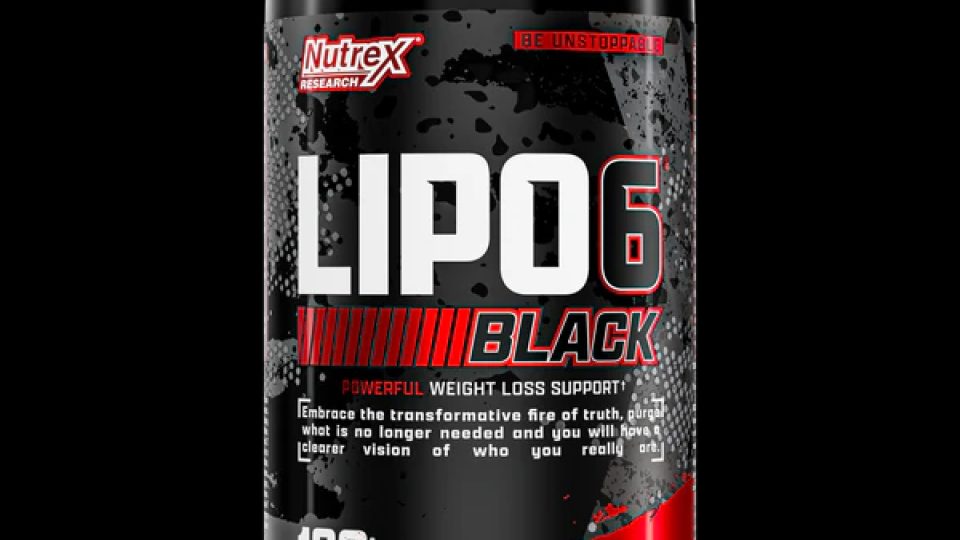
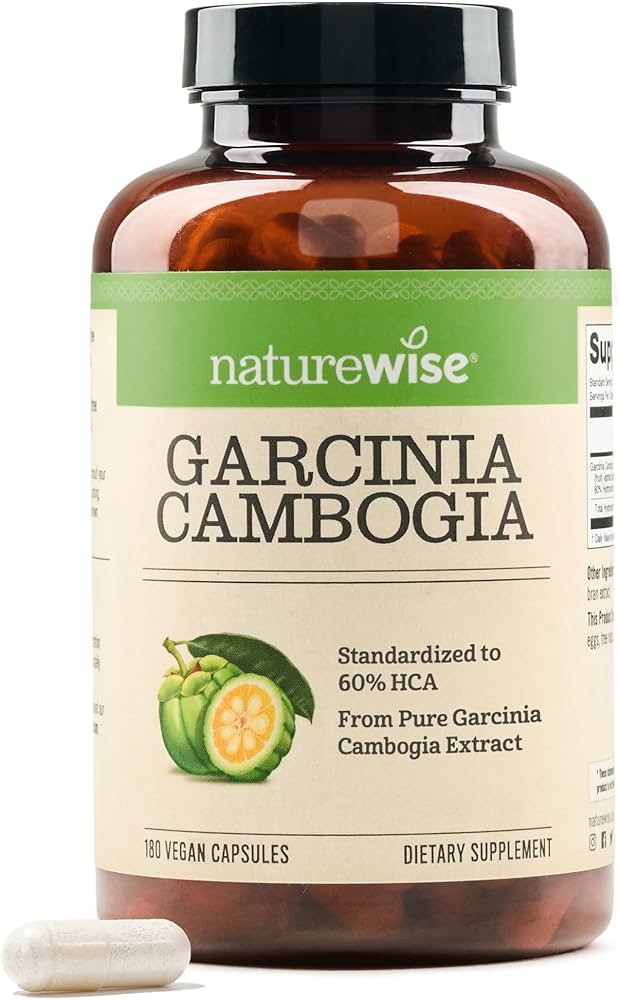
This guide is for adults considering over-the-counter and dietary supplements to support weight-loss efforts. It is aimed at people who already plan to follow a reduced-calorie diet and regular physical activity and who want to know which supplements are commonly used, what they claim to do, and what safety issues to watch for.
What matters when choosing a product are the ingredient profile, evidence of benefit, stimulant content, potential interactions with medications, and manufacturing transparency. Some products are stimulant-based thermogenics, others target appetite or nutrient partitioning, and one common option is an OTC drug that reduces fat absorption. Each approach carries different risks and potential benefits.
Use the ranked list that follows as a starting point to match supplements to your goals: appetite control, stimulant-free support, or clinically approved fat absorption reduction. Start with conservative dosing, track side effects and benefits, and prefer products that list standardized ingredients and doses.
Always verify ingredient labels, check for known interactions with your medications or conditions, and consult a licensed healthcare professional before beginning any new supplement, especially if you are pregnant, nursing, have chronic health conditions, or take prescription drugs.
How to choose
- Define your primary goal: appetite control, increased energy/metabolism, nonstimulant body composition support, or medical fat absorption reduction.
- Check active ingredients and doses rather than brand names alone; standardized extracts and known dosages matter for predictability.
- Consider stimulant sensitivity: choose stimulant-free formulas if you experience jitteriness, insomnia, or high blood pressure with caffeine.
- Look for transparency: full ingredient list, amounts per serving, and any third-party testing or quality seals.
- Review safety and interactions: cross-check ingredients with current medications and medical conditions.
- Prefer short-term trials: plan a defined trial period (for example 4 to 12 weeks) to evaluate benefit and tolerability.
- Consult a healthcare professional for OTC drugs or if you are taking prescription medications.
Key features that matter
- Ingredient evidence: ingredients with human clinical data for appetite suppression, modest fat loss, or reduced fat absorption carry more weight.
- Dosage transparency: effective doses are often known; products should list amounts for active extracts like green coffee or HCA.
- Stimulant content: amount of caffeine and other stimulants affects safety and who the product suits.
- Mechanism of action: appetite suppression, thermogenesis, fat absorption reduction, or metabolic support guide expected effects and side effects.
- Regulatory status: OTC medications with approval or well-documented clinical trials provide a different level of evidence than dietary supplements.
- Formulation quality: third-party testing, GMP manufacturing, and clear allergen labeling reduce risk.
- Complementary nutrients: vitamins, minerals, or fibers can support adherence but do not replace diet and exercise.
Common mistakes
- Relying on supplements alone rather than improving diet and activity levels.
- Ignoring stimulant load and combining multiple caffeine sources leading to excessive intake.
- Assuming natural equals safe; plant extracts can still interact with drugs or cause side effects.
- Continuing a product indefinitely without assessing effectiveness or side effects.
- Trusting marketing claims without checking ingredient amounts or independent testing.
Maintenance and longevity
- Use supplements as short- to medium-term tools while you build sustainable diet and exercise habits.
- Assess benefits and side effects regularly and stop or adjust if adverse effects or no progress after a planned trial.
- Rotate strategies: if a stimulant-based product works but causes tolerance, switch to stimulant-free approaches or focus on lifestyle changes.
- Store products per label instructions and check expiry dates; potency can decline over time.
How we ranked
We prioritized products based on a combination of ingredient transparency, reported mechanisms of action, safety considerations, suitability for different user needs (for example stimulant-sensitive users or women seeking appetite control), and the presence of clinical evidence for the active ingredients or the product itself. Regulatory status and whether a product is an OTC medication with established trials was weighted more heavily for safety and intent of use.
We also considered formulation type, typical dosing strategies, reported side-effect profiles, and how well a product fits common user goals: appetite suppression, thermogenesis, stimulant-free support, or clinically proven fat absorption reduction. Longstanding market presence and third-party testing were additional supporting factors.
Finally, ranking reflects a balance between potential benefit and risk rather than absolute efficacy; individual responses vary, so a higher rank does not guarantee superior results for every person.
FAQ
No. Supplements may provide modest additional support but are most effective when combined with a calorie-controlled diet and regular physical activity.
Try a product for a predefined period, typically 4 to 12 weeks, while tracking weight, appetite, energy, and side effects; stop if there is no meaningful benefit or if adverse effects occur.
Not without checking first. Several ingredients can interact with common medications. Consult your prescriber or pharmacist before starting any supplement.
Common effects include jitteriness, sleep disturbances, increased heart rate or blood pressure (with stimulants), gastrointestinal symptoms (with fibers or fat-absorption agents), and allergic reactions.
Stimulant-free formulas are safer for people sensitive to caffeine or with certain health conditions, but they may offer different or smaller short-term effects compared with stimulant-based thermogenics.
No. "Natural" does not guarantee clinical efficacy or safety. Look for human trials, standardized extracts, and clear dosing information.