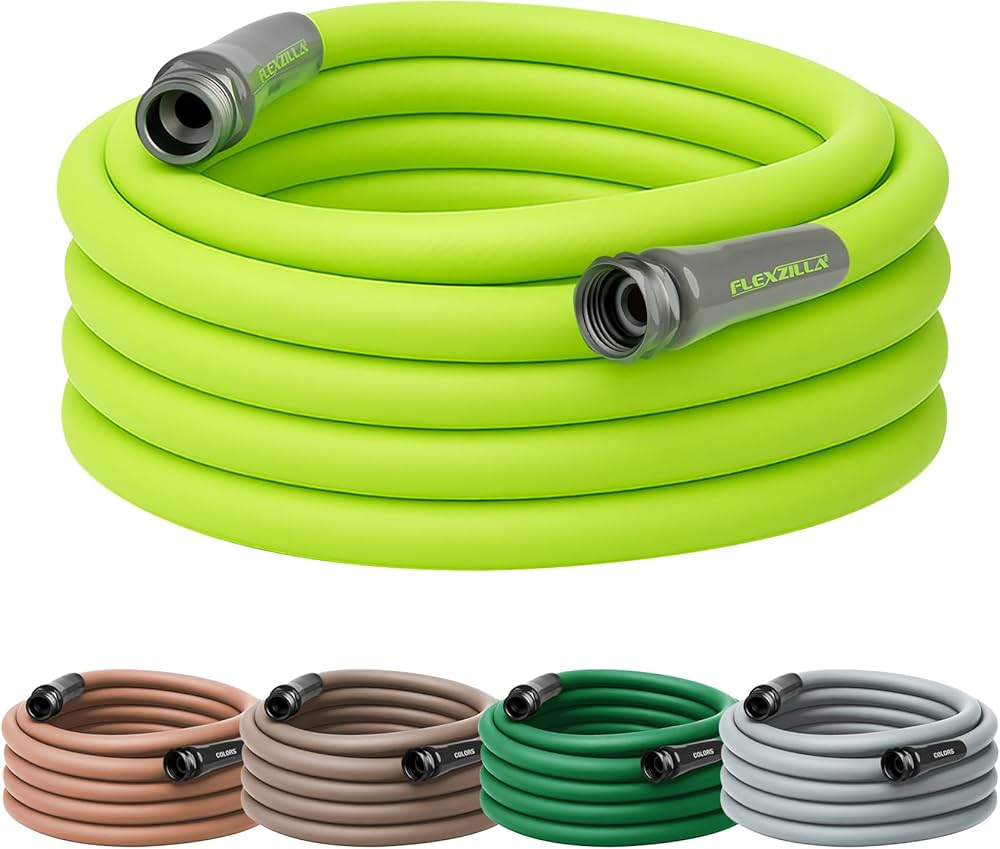
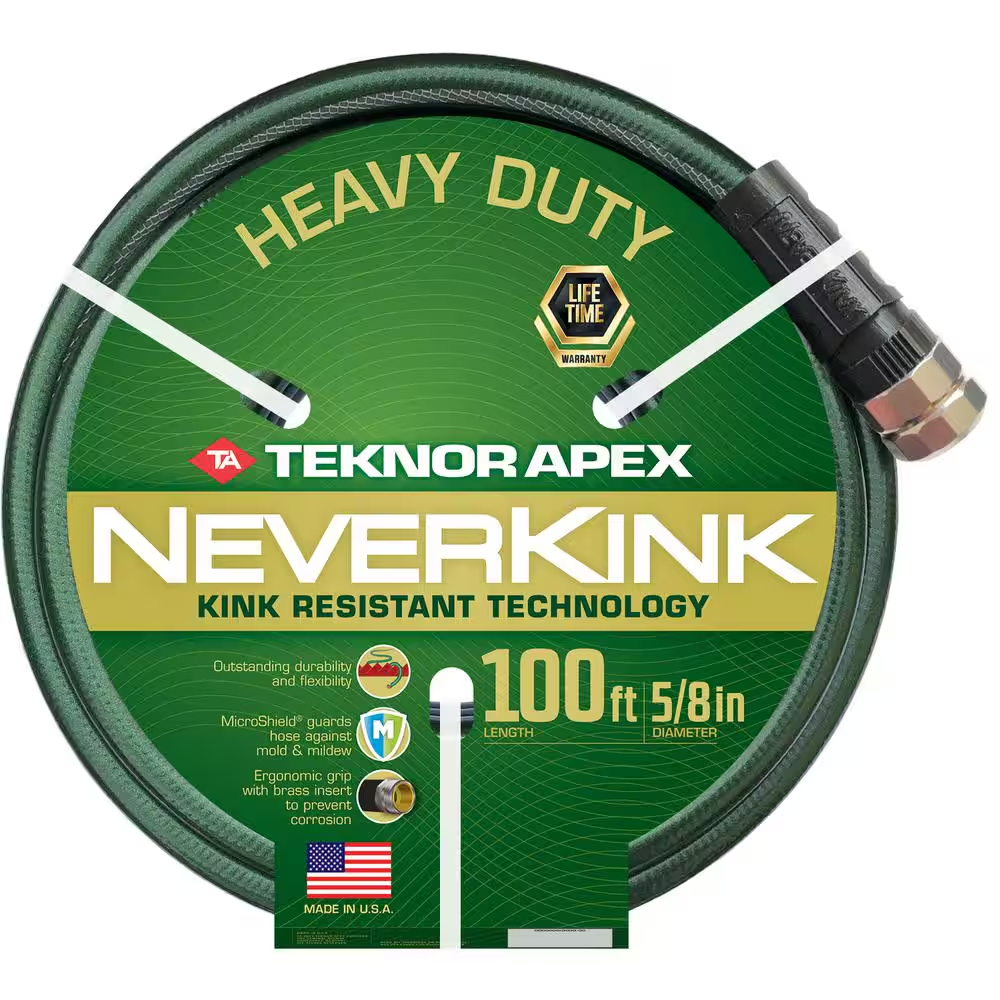
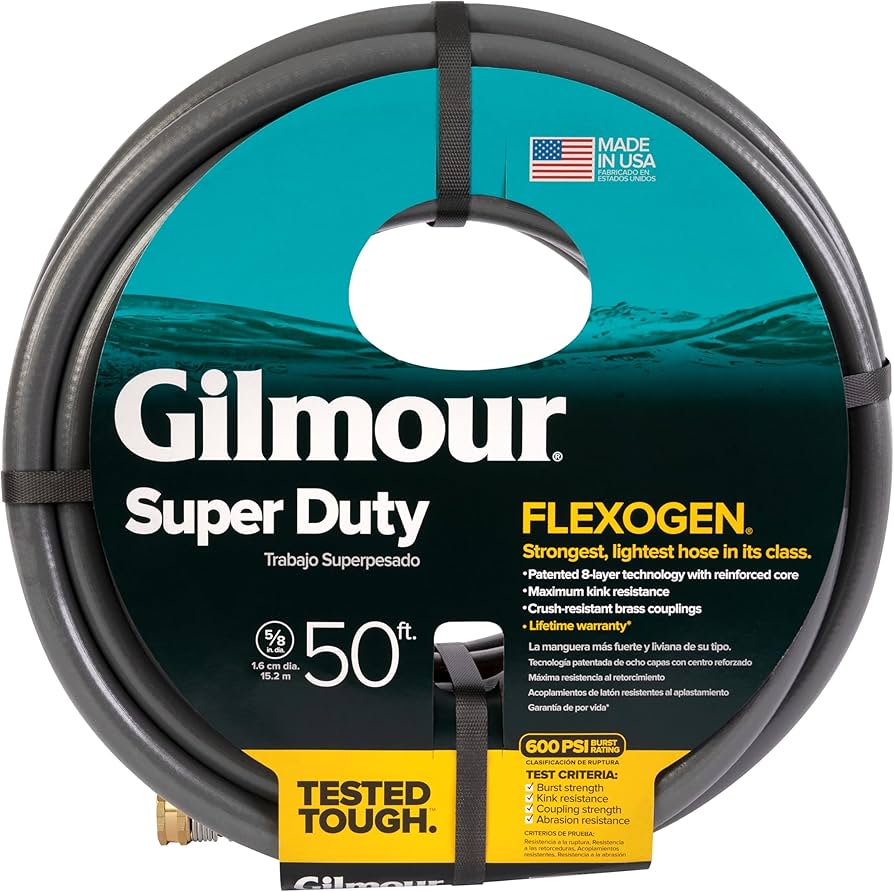
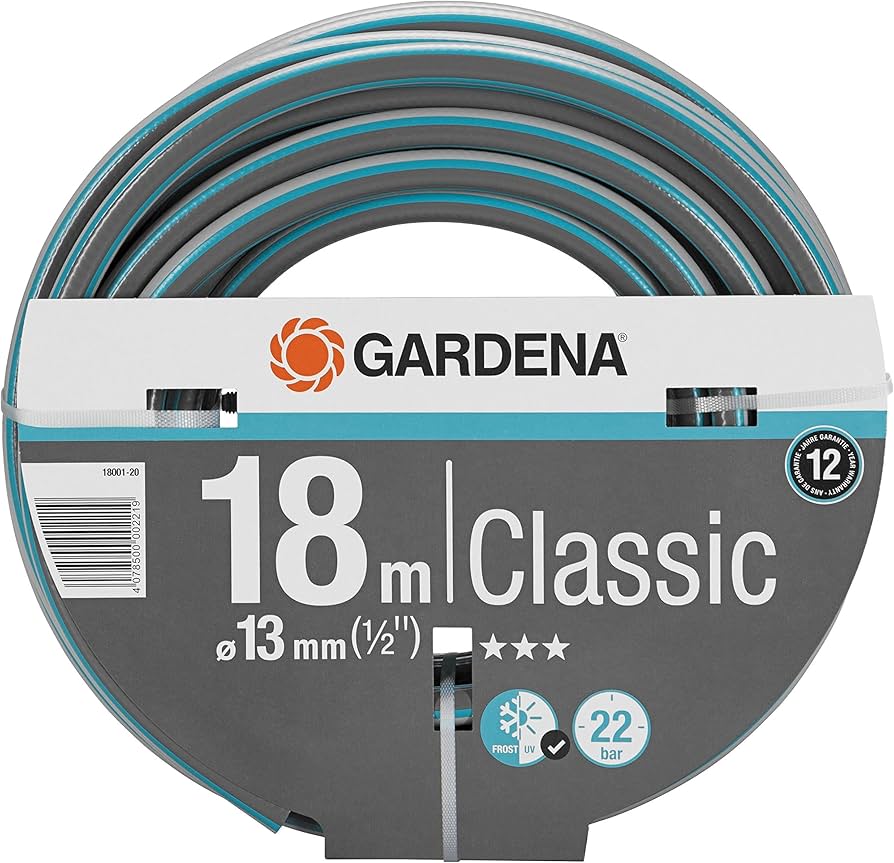
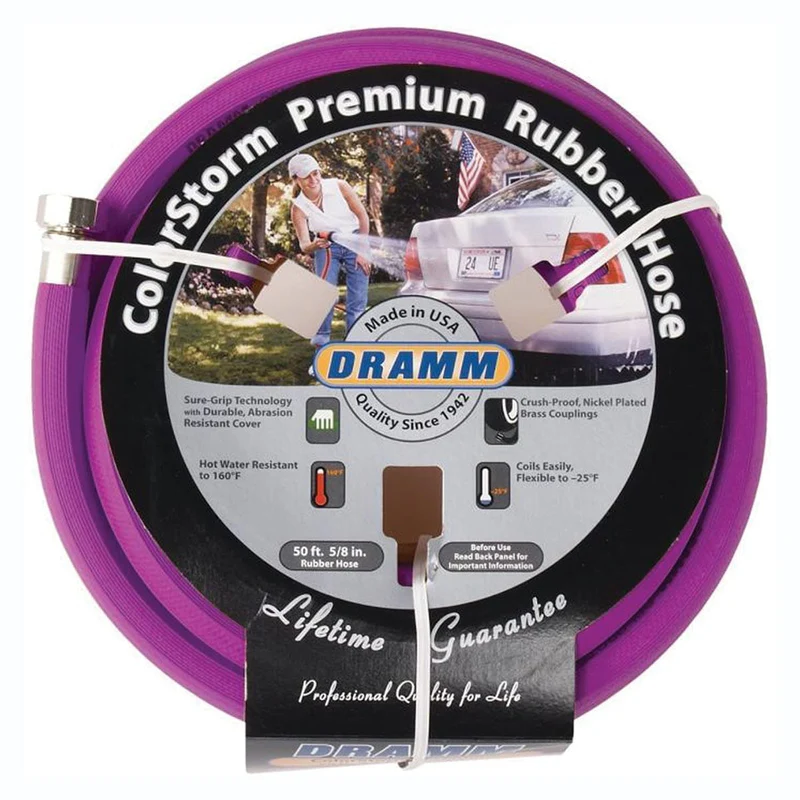
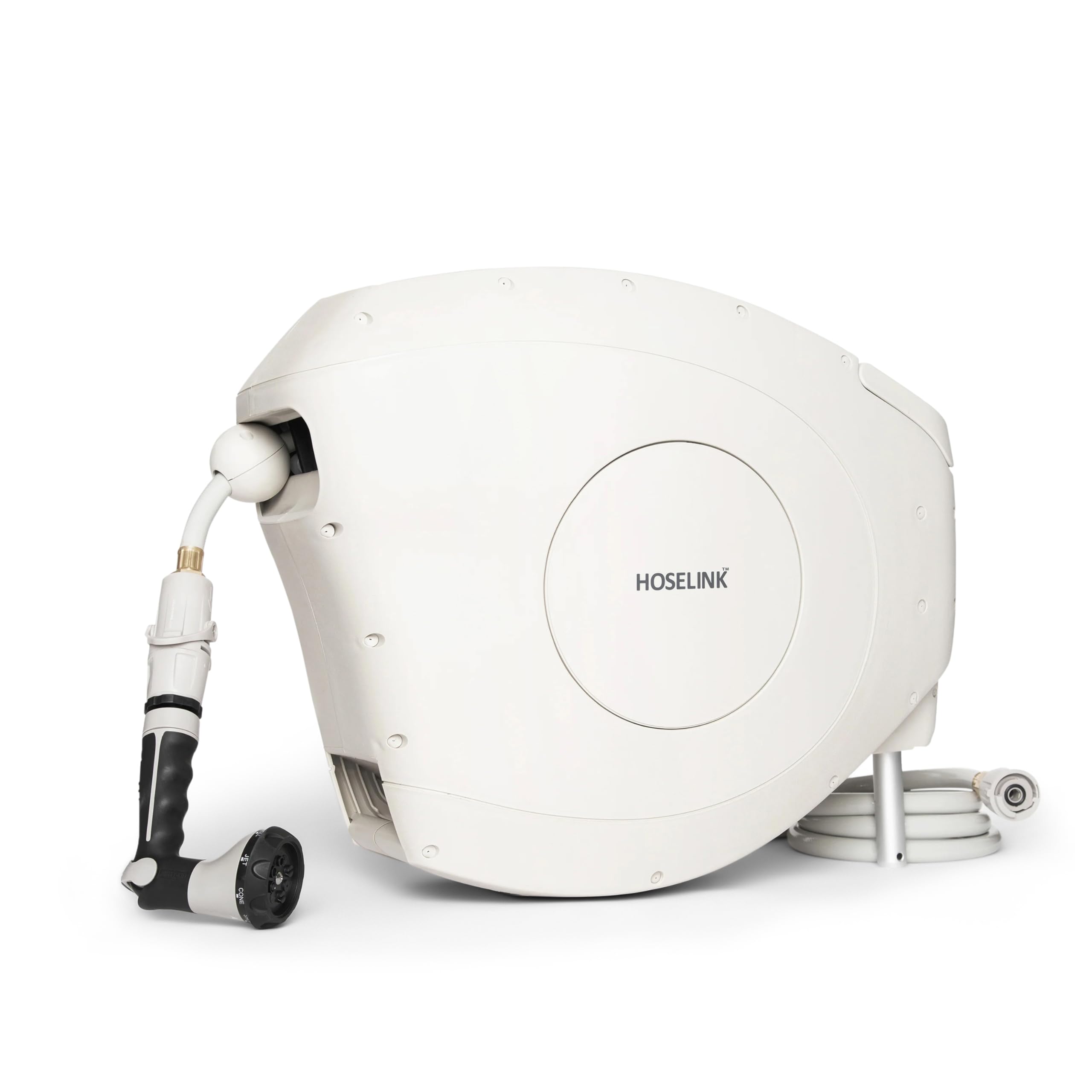
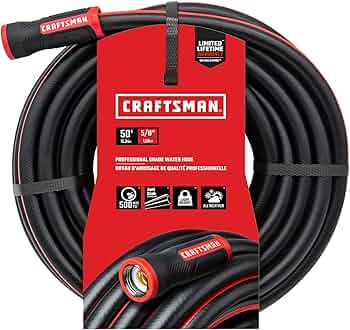
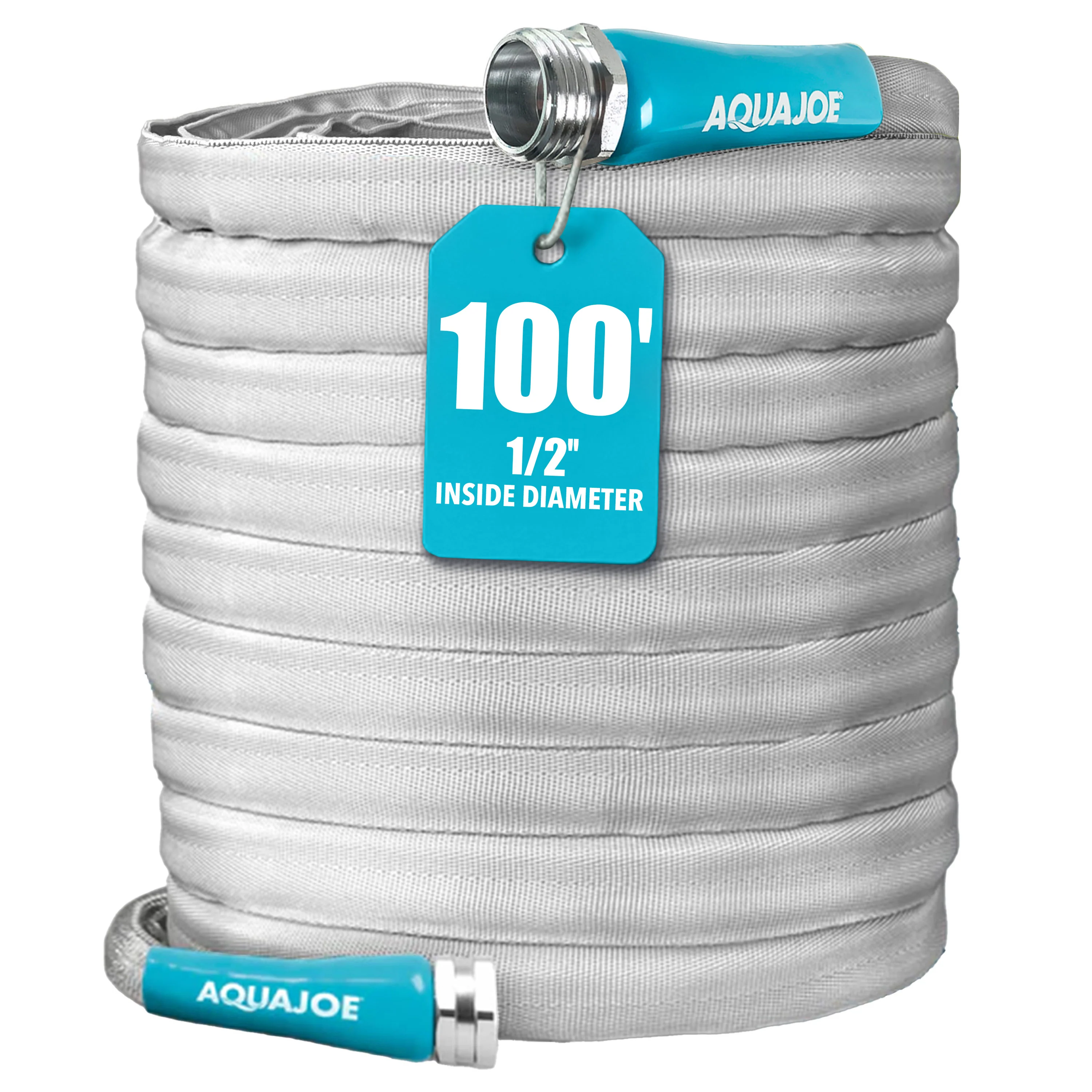
This guide is for homeowners, gardeners, and small-scale landscaping pros who need a reliable garden hose for watering, car washing, or light-duty chores. It helps you cut through marketing claims and pick a hose that matches your watering habits, storage options, and climate.
What matters most when choosing a hose is a mix of material, diameter, length, fittings, and how you plan to use it. Flexibility and kink resistance affect everyday handling, while material and reinforcement influence durability, pressure tolerance, and resistance to UV or abrasion.
Use the ranked list as a starting point: match the hoses on the list to your priorities such as all-season flexibility, heavy-duty performance, lightweight storage, or budget value. Check the exact length, diameter, and fitting type you need before choosing a model.
Keep in mind there are trade-offs: lighter expandable hoses are easy to store but can be less durable under heavy use, while full-rubber or reinforced braided hoses last longer but weigh more. Verify manufacturer specifications, warranty details, and compatibility with your existing fittings for best results.
How to choose
- Decide on diameter first: common choices are 1/2 in, 5/8 in, and 3/4 in; larger diameters deliver more flow for high-demand tasks.
- Pick the right length for your yard to avoid excess coiled hose and pressure drop; buy only as long as you actually need.
- Match material to use: lightweight polymer or hybrid hoses are easy to handle, rubber and reinforced braided hoses resist abrasion and high pressure.
- Check fitting type and quality: brass fittings are durable, aluminum is lighter, and quick-connect compatibility can save time.
- Consider weather range: if you need year-round use, choose hoses rated for cold temperatures or plan to store them indoors in winter.
- Balance flexibility vs. durability: very flexible hoses are easier to maneuver but sometimes less puncture resistant than heavy-duty options.
- Factor in storage and handling: expandable hoses save space, while thicker hoses may require a reel or two-person handling for long runs.
Key features that matter
- Kink resistance and flexibility for easy maneuvering and fewer interruptions while watering.
- Material and construction: single-tube, hybrid polymer, full rubber, and braided reinforcements affect lifespan and performance.
- Fitting quality and crush protection to prevent leaks at connection points.
- Inner tube smoothness and diameter for steady water flow and reduced pressure loss.
- UV, ozone, and abrasion resistance for longevity in sun-exposed or rough environments.
- Operating temperature range if you expect cold-weather use or storage outdoors.
- Available lengths and diameter options so you can match hose to yard layout and water source placement.
Common mistakes
- Buying a hose that is much longer than needed, which adds weight and reduces flow at the nozzle.
- Choosing the cheapest fittings or plastic connectors that fail quickly at the spigot.
- Ignoring diameter: a small-diameter hose can limit flow for sprinklers and high-demand tools.
- Assuming expandable hoses are suitable for heavy-duty or commercial use without checking durability claims.
- Leaving a hose pressurized or exposed to freezing temperatures, which can cause damage.
- Not considering storage: poor coiling or leaving a hose in sun and heat shortens life.
Maintenance and longevity
- Drain and store hoses indoors or in shade during freezing weather to prevent cracks and splits.
- Rinse out dirt and debris periodically and inspect fittings and the inner tube for wear or leaks.
- Use a reel or hanger to avoid kinks and flattening from long-term weight on one area.
- Replace worn or corroded fittings promptly to prevent leaks and further hose damage.
How we ranked
We prioritized everyday reliability, construction quality, and how well each design suits common homeowner tasks. Factors included material and reinforcement, fitting durability, claimed temperature range, and handling characteristics like flexibility or expandability.
We also considered versatility: hoses that cover multiple use cases such as all-season flexibility, commercial-grade durability, or compact storage scored higher for those specific needs. Warranty and brand reputation were used as supporting factors, and readers should confirm model-specific specs and warranty language before buying.
FAQ
For most homeowners a 5/8-inch hose balances flow and ease of handling. Choose 1/2-inch only for light watering or restricted flow needs, and 3/4-inch for heavy-duty use, long runs, or when feeding multiple sprinklers.
Expandable hoses are convenient and lightweight for light to moderate watering, but they tend to be less puncture resistant and may wear faster under heavy or commercial use. Inspect them regularly and avoid dragging over sharp objects.
Brass fittings are widely regarded as durable and corrosion-resistant for outdoor use. Aluminum fittings are lighter and can be adequate but may dent; plastic fittings are cheapest but can crack or leak sooner.
It is best to disconnect, drain, and store hoses indoors during freezing weather. Water left in a hose can freeze and expand, causing splits or fitting damage that shortens hose life.
Turn off water and drain the hose, cut out the damaged section if possible, and install a repair coupling designed for your hose diameter. For minor leaks at fittings, tighten or replace the fitting and check the washer.
Lifespan varies by material and use. A well cared-for rubber or reinforced hose can last several seasons to many years; lighter polymer or expandable hoses often last less long under heavy use. Regular storage and maintenance help extend life.