Best Hair Loss Treatments in 2026

Disclosure: This page contains affiliate links. If you buy through them, we may earn a commission at no extra cost to you. As an Amazon Associate we earn from qualifying purchases.

Updated Feb 6, 2026 10 picks How we score
1
Rank
Best for regrowth

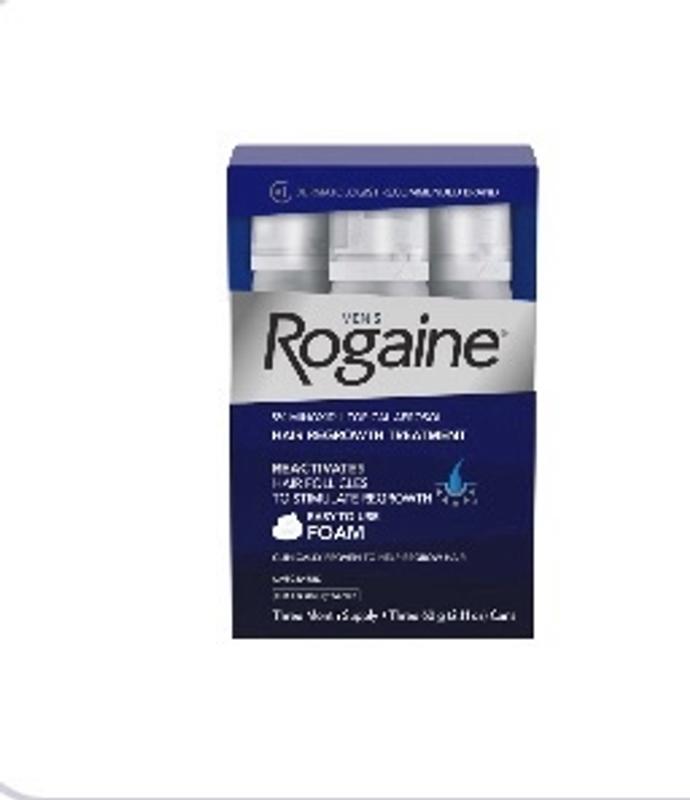
Rogaine 5% Minoxidil Foam

Clinically proven topical minoxidil foam to regrow hair and slow male-pattern hair loss.

  • 5% minoxidil topical foam formulation
  • Clinically shown to regrow hair and increase density
  • Easy-apply foam absorbed quickly

2
Rank
Best for overall health

Nutrafol Core (Men & Women formulations)

Doctor-formulated botanical supplement that addresses multiple root causes of hair thinning including stress, hormones, and nutrition.

  • Targets underlying contributors to hair thinning
  • Drug-free, clinically tested ingredients
  • Personalized formulations for men and women
3
Rank
Best supplement

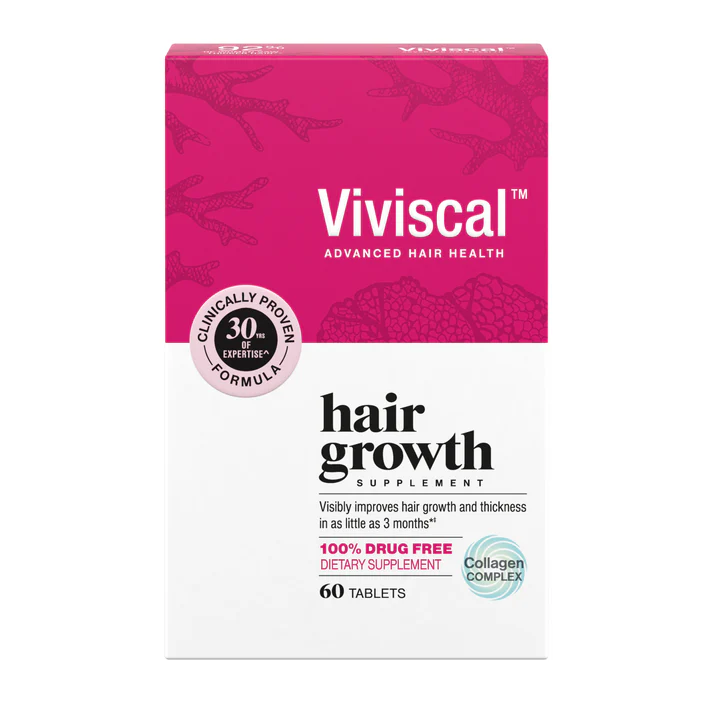
Viviscal Professional Extra Strength

Oral supplement with the marine-derived AminoMar complex to nourish thinning hair and promote existing growth.

  • Contains AminoMar marine complex, biotin, and zinc
  • Clinically studied for hair growth support
  • Taken twice daily as a dietary supplement
4
Rank
Best for women

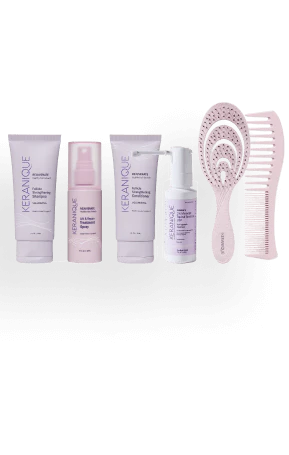
Keranique 3-Step Regrowth System

Women-focused regimen combining cleansing, volumizing, and minoxidil-based treatments to address female thinning hair.

  • Formulated specifically for women with thinning hair
  • Includes shampoo, conditioner, and topical regrowth treatment
  • Minoxidil-based topical option in the system
5
Rank
Best for thinning hair

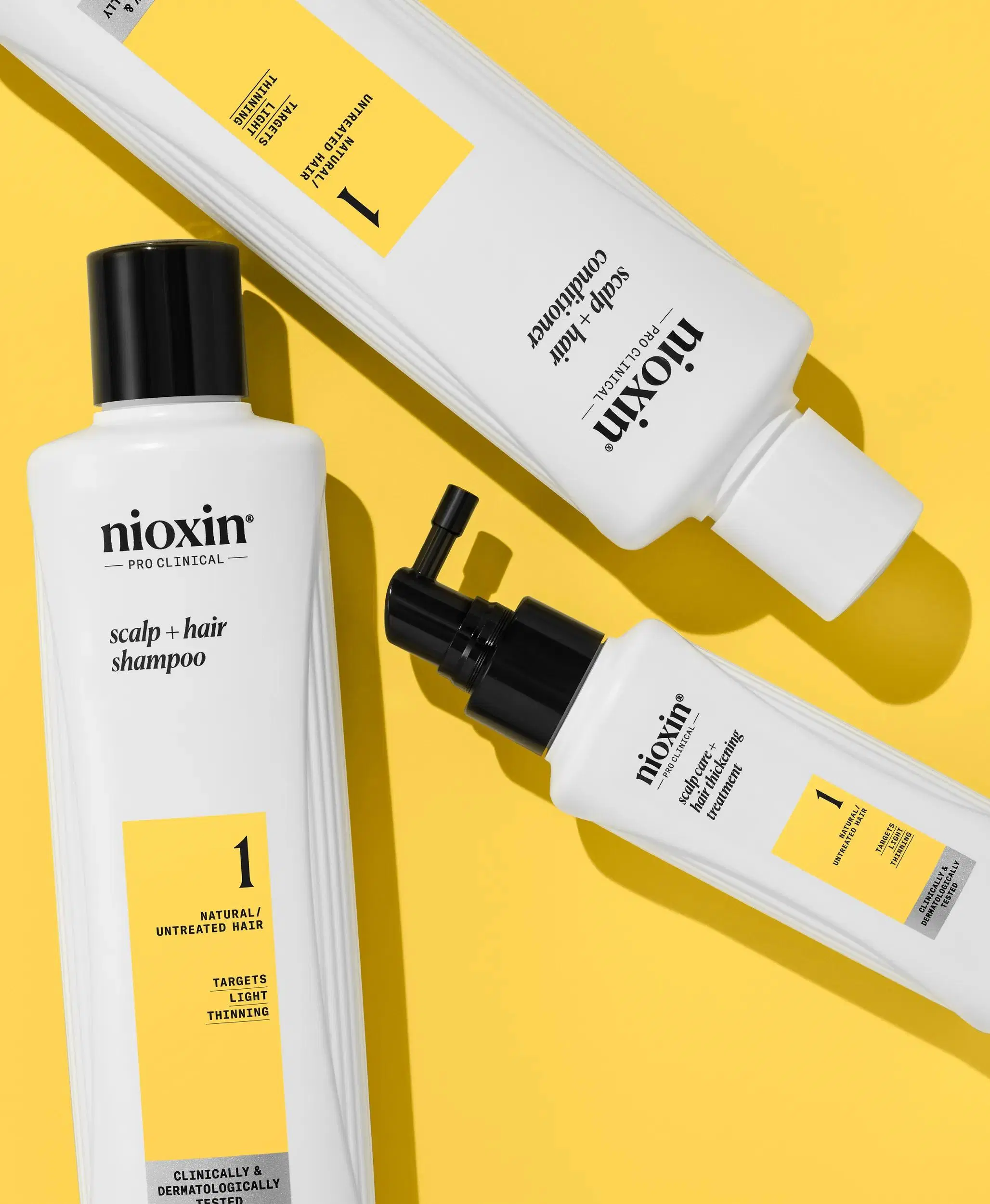
Nioxin System 4 Scalp Therapy Kit

Three-step salon system (cleanser, scalp therapy, treatment) designed to reduce breakage and improve appearance of thinning hair.

  • Targets thinning hair with a 3-step regimen
  • Removes follicle-clogging sebum and debris
  • Creates fuller-looking hair shaft
6
Rank
Best shampoo

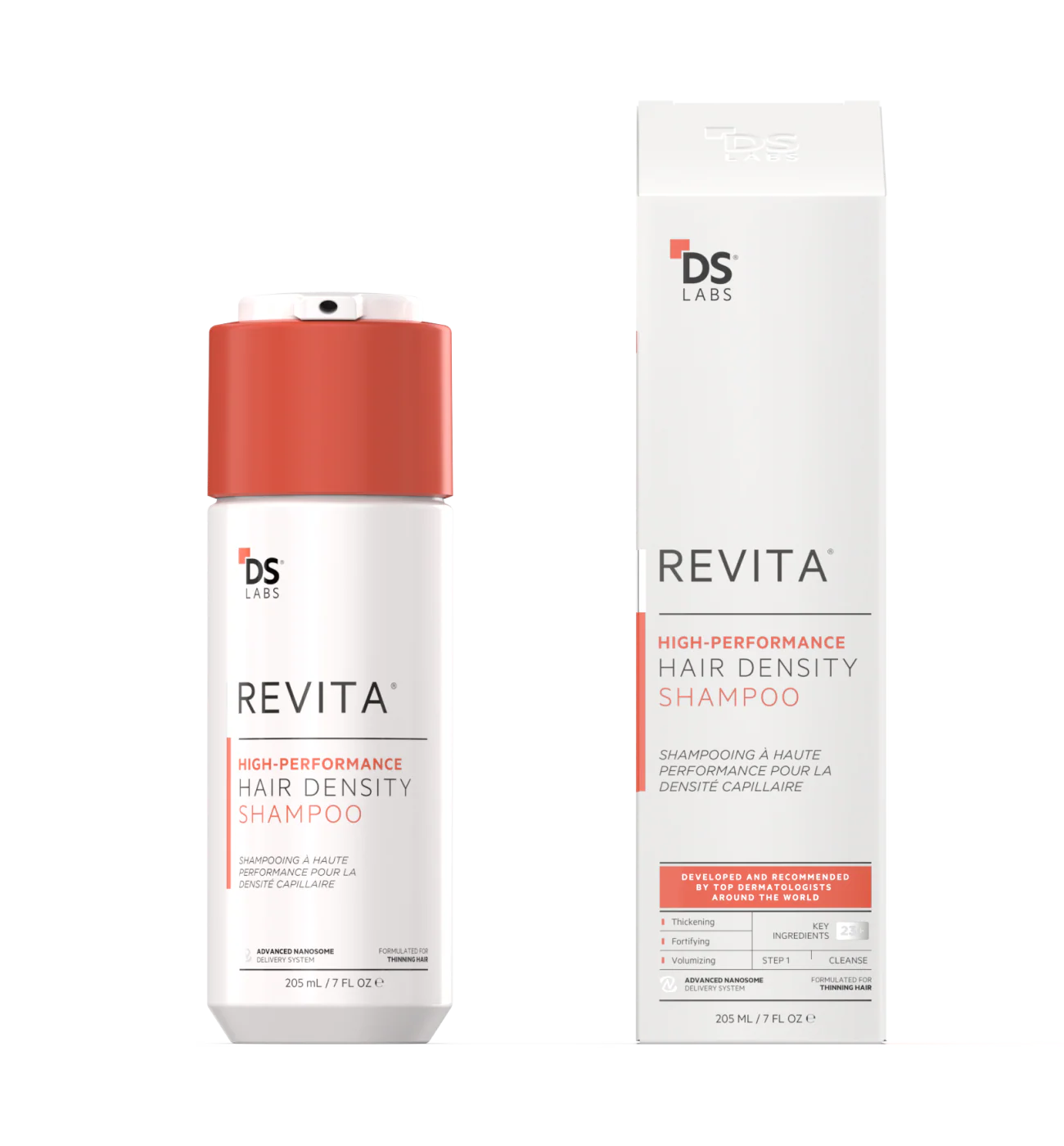
Revita High-Performance Stimulating Shampoo

Caffeine- and ketoconazole-infused shampoo aimed at strengthening hair and improving scalp environment.

  • Contains caffeine, ketoconazole, and biotin derivatives
  • Designed to improve scalp health and hair strength
  • Can be used as part of a broader treatment plan
7
Rank
Best subscription

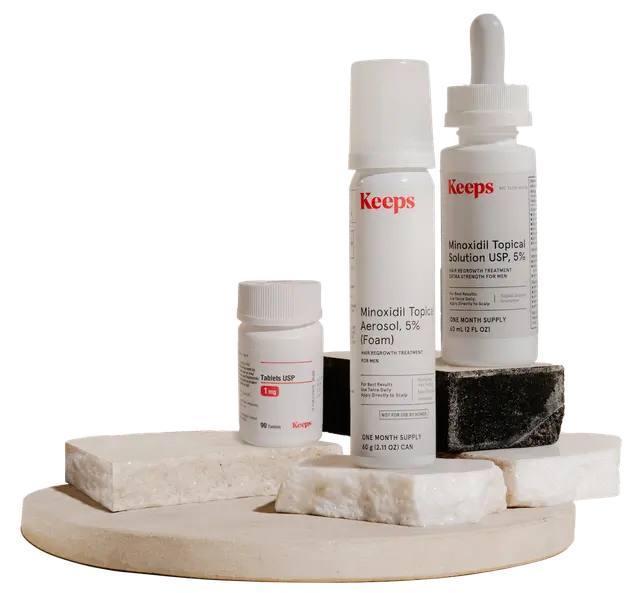
Keeps Subscription Treatments

Subscription-based hair loss service offering topical minoxidil and prescription finasteride to treat male pattern baldness.

  • Prescription finasteride available via telemedicine
  • Topical minoxidil options in multiple strengths
  • Automatic refills and discreet shipping
8
Rank
Best budget

Hims Finasteride + Minoxidil Options

Direct-to-consumer hair loss platform offering telemedicine prescriptions for finasteride and topical minoxidil formulations.

  • Telemedicine consultation and prescription delivery
  • Finasteride to block DHT and topical minoxidil for regrowth
  • Competitive pricing and starter bundles
9
Rank
Best clinic

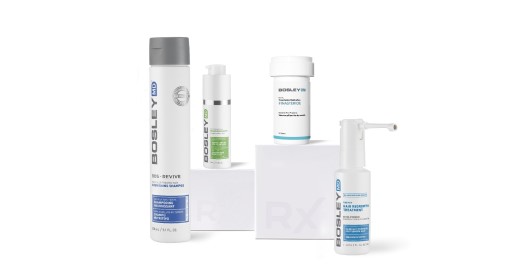
Bosley Professional Hair Restoration Services

Clinic-based hair restoration offering surgical transplants, PRP, and personalized non-surgical regrowth plans from a long-established provider.

  • In-clinic surgical and non-surgical treatment options
  • Hair transplants, PRP, and customized medical plans
  • Experienced surgeons and multi-site clinics
10
Rank
Best technology

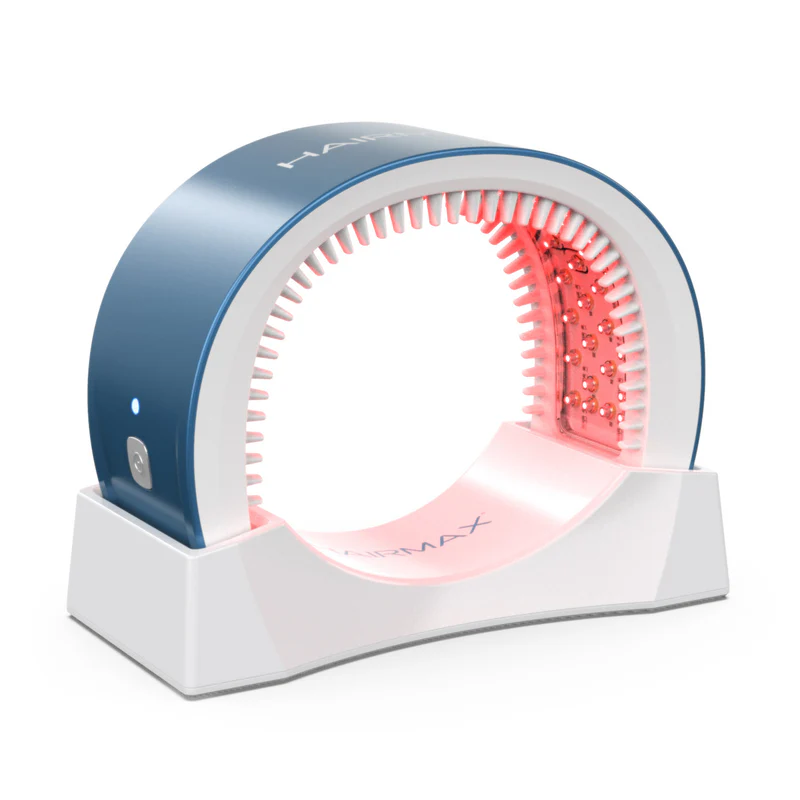
HairMax LaserBand 82 (Low-Level Laser Therapy)

FDA-cleared at-home low-level laser therapy device to stimulate follicles and increase hair density with regular use.

  • Low-level laser therapy (LLLT) technology
  • FDA-cleared for safety and efficacy
  • Hands-free LaserBand speeds treatment sessions

This guide is for people who are noticing thinning hair, receding hairlines, widening part lines, or general hair loss and want a practical way to compare treatment options. It covers common medical and over-the-counter approaches, in-clinic procedures, and at-home devices so you can match options to the degree and cause of hair loss.

What matters when choosing a treatment is the underlying cause, the evidence for the approach, safety and side effects, how easy it is to use consistently, and how long you are willing to continue therapy. Some options slow progression, some regrow hair for some users, and others are surgical or procedural with different risks and commitments.

Use the list that follows to narrow options based on severity, evidence, and personal constraints. For most people it is wise to consult a dermatologist or hair specialist before starting prescription treatments or surgical procedures. If you are pregnant, nursing, or have relevant medical conditions, talk with your clinician first.

How to choose

Key features that matter

Common mistakes

Maintenance and longevity

How we ranked

We prioritized treatments with consistent clinical evidence, clear safety information, and real-world usability. Efficacy data from controlled trials and consensus statements from dermatology organizations received substantial weight.

Safety and contraindications were assessed alongside user adherence factors such as ease of application and the need for ongoing maintenance. For procedures, we considered practitioner training, reported complication rates, and aftercare requirements.

Finally, we considered patient-reported outcomes and long-term maintenance needs to balance short-term efficacy with real-world sustainability. Any recommendation should be personalized with a clinician familiar with your medical history.

This page was drafted by AI and should be verified with a healthcare professional or trusted source before making treatment decisions.

FAQ

Most topical or oral treatments take at least 3 to 6 months to show visible changes; full effects can take 6 to 12 months. Procedures may show earlier cosmetic changes but can require months for final maturation.

Some treatments are suitable for both sexes, but others have sex-specific approvals or safety concerns. Always check product labeling and consult a clinician before starting prescription therapies.

OTC options can help some users, especially with early thinning, but effectiveness varies. Look for products with published clinical data and confirm they fit your diagnosis.

Combination therapy is common (for example, topical plus device or topical plus oral), but combinations should be guided by a clinician to avoid interactions and manage side effects.

Transplanted hair follicles are generally permanent, but native hair can continue to thin. Many patients need ongoing medical therapy or future procedures to maintain overall density.

Local irritation, itching, scalp dryness, and temporary shedding are common with topical treatments; systemic medications can have broader effects requiring medical monitoring. Report serious or persistent symptoms to your clinician.

Low-level laser and LED devices have modest clinical evidence for some users when used consistently. Benefits are generally incremental and require regular sessions over months.

See a dermatologist or hair specialist if hair loss is rapid, patchy, starting at a young age, accompanied by other symptoms, or not responding to first-line measures after several months.
Privacy Policy ยท Terms of Service

Disclosure: This page contains affiliate links. If you buy through them, we may earn a commission at no extra cost to you. As an Amazon Associate we earn from qualifying purchases.