Nest Learning Thermostat (3rd Gen)
Disclosure: This page contains affiliate links. If you buy through them, we may earn a commission at no extra cost to you. As an Amazon Associate we earn from qualifying purchases.
Appears in these guides
Review
The Nest Learning Thermostat (3rd Gen) is presented as a smart thermostat option for people who want a blend of automated scheduling and app-based control. It may suit homeowners who prefer a more polished display and automated adjustments rather than constant manual changes. It is worth considering if you use a smartphone and are comfortable linking a device to an online account for remote control.
Key features are focused on automatic scheduling, a prominent display, and mobile control. Below are some of the commonly discussed capabilities to check against your needs and system.
- Adaptive scheduling that aims to reduce manual temperature changes over time
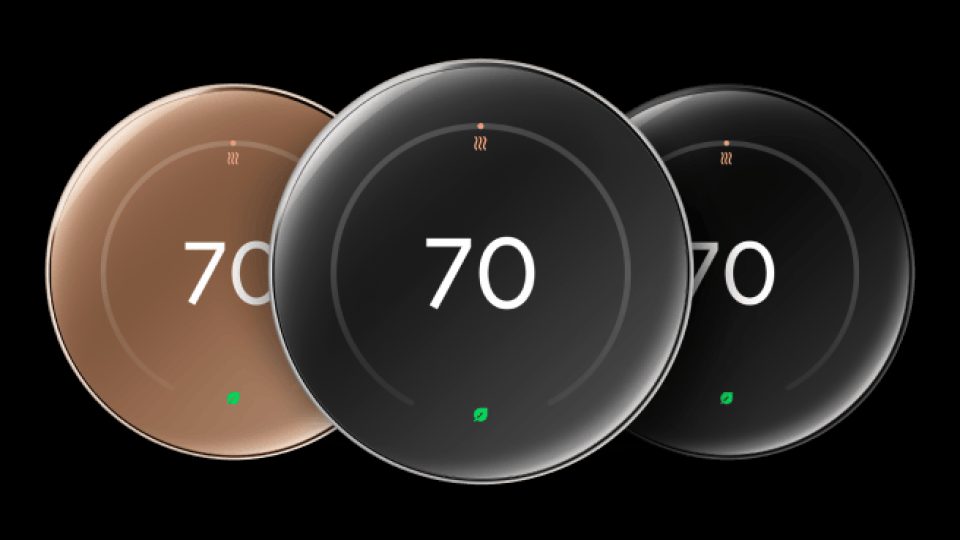
- High-contrast circular display intended to be readable from a distance
- Mobile app control for remote temperature adjustments and basic settings
- Learning and energy usage summaries that help track patterns
- Compatibility design meant to fit many conventional heating and cooling systems
- Basic local controls on the device for quick adjustments without the app
In everyday operation the device is reported to regulate temperature reliably for many users, but it may require a learning period before automatic schedules feel natural. Performance can vary with the specifics of your HVAC system and home layout. In some setups the thermostat may hold temperatures steady; in others it may highlight the need for fine tuning or changes to placement to get consistent readings.
Usability is a mix of a tactile ring or touch control on the device and a companion app for more detailed settings. Installation can be straightforward in typical residential systems, while older or unusual systems might need extra parts or professional help. The app generally provides remote access and basic setup steps, though some features assume you have an account and network connectivity.
Maintenance is mostly software-driven: keeping the companion app updated and installing firmware updates on the thermostat helps preserve functionality and security. Physical upkeep is minimal, limited to occasional gentle cleaning of the display and checking that wall mounting remains secure. If your HVAC system provides power through its wiring, the thermostat often maintains any internal battery automatically, but specifics depend on your installation.
What to watch out for: confirm compatibility with your particular heating and cooling equipment before buying, and consider whether you are comfortable relying on cloud services for some features. Placement matters because temperature sensors read local air; avoid putting the device in direct sunlight or very drafty locations. Finally, review privacy and account settings if you have concerns about cloud-connected features.
This review was drafted by an AI and should be verified against official product information before making purchasing decisions.
Pros
- Adaptive scheduling that can reduce manual adjustments over time
- Clear, easy-to-read circular display
- Remote control and basic reports via companion app
- Designed to fit many common HVAC setups
- On-device controls for quick temperature changes
Cons
- May require professional installation for atypical or older systems
- Relies on Wi-Fi and account-based services for remote features
- Some advanced capabilities depend on cloud connectivity
- Placement sensitivity can affect temperature accuracy