This guide is for aquarium hobbyists who want a reliable filtration system, whether you keep a planted freshwater tank, a community setup, a shrimp or fry tank, or a large high-bio-load display. It covers common filter types and the factors that affect water quality, fish health, and maintenance time so you can pick the right unit for your setup.
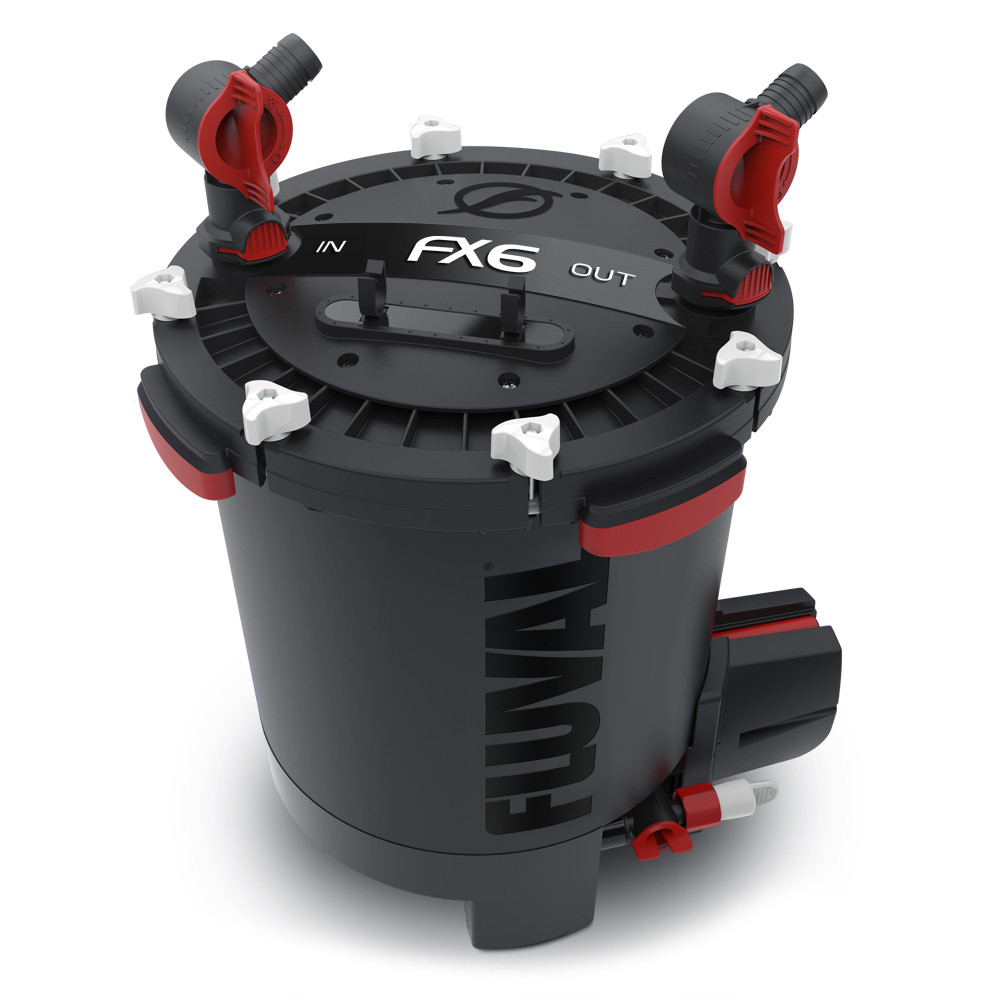
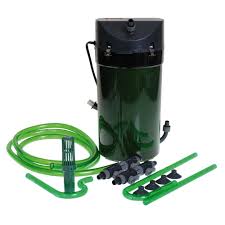
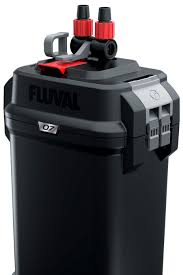
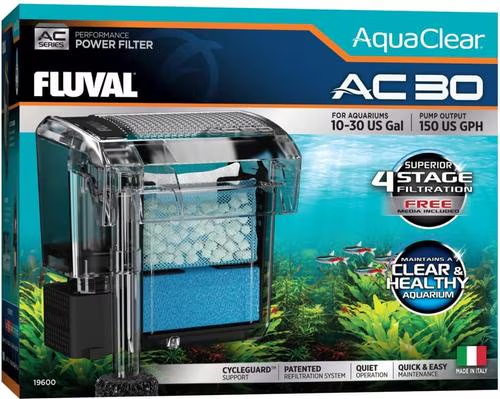
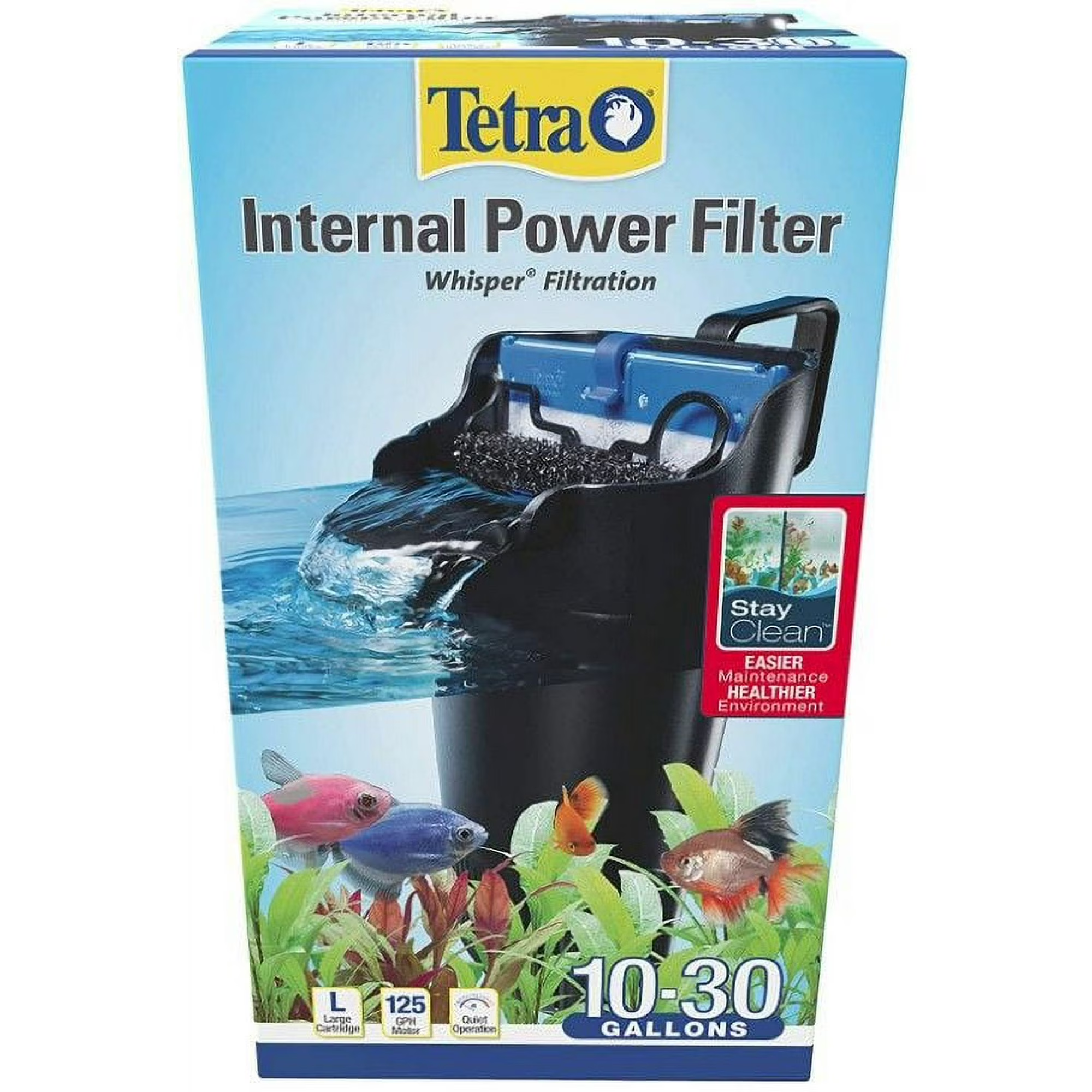
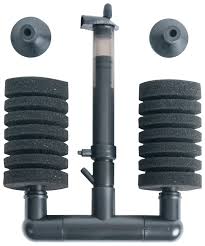
What matters most are tank size, bioload, desired maintenance frequency, and whether you need specific features like adjustable flow, multi-stage media, low noise, or compact form factor. Different filter styles suit different goals: canister filters offer large media capacity, hang-on-back filters are easy to service, sponge filters are gentle for fry, and internal filters save space in small tanks.
Use the ranked list to compare widely used models across budgets and tank sizes. Start by matching filter type and capacity to your aquarium, then weigh features such as flow control, media flexibility, noise level, and ease of priming or cleaning. If you are upgrading, consider how much media space you need for biological filtration and whether you want cartridges for convenience.
Keep safety and compatibility in mind: confirm flow rates relative to your tank inhabitants and ensure any external canister hoses or pump sizes fit your cabinet or stand. When in doubt, choose a slightly larger filtration capacity and plan a maintenance routine to keep performance consistent.
How to choose
- Match filter capacity to aquarium volume and bioload rather than relying solely on manufacturer flow ratings.
- Choose canister filters for large tanks or heavy bioloads and HOB or sponge filters for smaller or low-flow setups.
- Consider how often you want to perform maintenance; some designs are easier to service and re-prime than others.
- Look for adjustable flow or bypass options when keeping delicate species, plants, or fry.
- Factor in noise and space constraints: in-tank and HOB filters are compact, canisters typically sit out of sight but need hose routing.
- Decide on media flexibility: if you plan custom media mixes, pick a filter with removable baskets or a large media chamber.
Key features that matter
- Mechanical, chemical, and biological media capacity and access to change or customize media placement.
- Flow control and pump reliability; stable flow prevents stress and provides predictable turnover.
- Ease of priming and maintenance features such as quick-release lids, tool-free pumps, or self-priming designs.
- Noise level and vibration isolation, especially for tanks in living spaces or bedrooms.
- Build quality and leak protection, important for long-running canister units and external pumps.
- Spare parts and replacement media availability to avoid downtime later.
Common mistakes
- Undersizing a filter for a high-bio-load aquarium or stocking level.
- Over-relying on manufacturer GPH without accounting for head height, hoses, and real-world restrictions.
- Replacing all biological media at once during maintenance, which can cause ammonia spikes.
- Ignoring noise or vibration issues until they become disruptive.
- Choosing the most powerful pump available without providing adequate flow control for sensitive species.
Maintenance and longevity
- Rinse mechanical media in tank water during water changes to preserve beneficial bacteria in biological media.
- Follow a regular schedule for impeller and hose inspection to prevent flow loss and leaks.
- Replace chemical media like carbon as needed, but avoid removing biological media unless you stagger replacements.
- Keep manufacturer instructions for winter storage or prolonged shutdowns; dry storage and disassembled impellers can prevent damage.
How we ranked
We prioritized filters that balance reliable biological performance, usable media capacity, and practical maintenance features. Sturdiness, quiet operation, and a proven track record for real-world aquarium sizes were key considerations.
Ease of use factors such as priming, access to media trays, and straightforward replacement parts influenced rankings for hobbyists who perform routine maintenance themselves. For large tanks we emphasized flow capacity and leak protection; for small tanks we emphasized compactness, low noise, and gentle flow.
Where performance claims required verification we relied on conservative guidance: choose options that offer flexibility and redundancy rather than extreme specifications that depend on perfect conditions.
FAQ
<p>Rinse mechanical media (sponges, floss) every 2 to 4 weeks in aquarium water during water changes. Replace chemical media like carbon monthly or as recommended. Avoid replacing all biological media at once; stagger changes to preserve beneficial bacteria.</p>
<p>Yes. Canister filters provide high media capacity and strong biological filtration. Use gentle outflow or a spray bar and include biological and mechanical media appropriate for plants; avoid excessive CO2 loss by directing flow to minimize surface agitation if you use CO2 injection.</p>
<p>A high-quality hang-on-back filter can work for a 40 to 55 gallon tank if it offers adequate flow, media capacity, and optional media customization. For heavy bioloads or large fish, a canister may be a better choice.</p>
<p>Reduced flow is usually caused by clogged mechanical media, debris in impellers, restricted hoses, or buildup in media trays. Regular cleaning of sponges, impeller housings, and hoses typically restores flow.</p>
<p>Yes. Sponge filters provide gentle filtration and high biological surface area without strong suction, making them a common choice for shrimp, fry, and quarantine setups.</p>
<p>Inspect and replace worn O-rings, tighten hose clamps, follow proper priming procedures, and check connections after moving the unit. Regular maintenance reduces the chance of leaks developing.</p>